
How Intelligent Shades, Blinds, and Drapery Are Redefining Comfort, Energy Efficiency, and Home Automation
Smart homes are no longer a luxury in Texas. In 2026, they are becoming the standard for new builds and thoughtful renovations. Smart window treatment automation is leading that shift. It is no longer just motorized shades with a remote control.Today’s window treatment automation responds to sunlight, temperature, time of day, and how your home is actually used. The result is a home that feels more comfortable, uses less energy, and requires less daily effort.
If you are building, remodeling, or upgrading a home in Texas, this guide explains how modern window treatment automation works. Know what is worth investing in and how to future-proof your home.
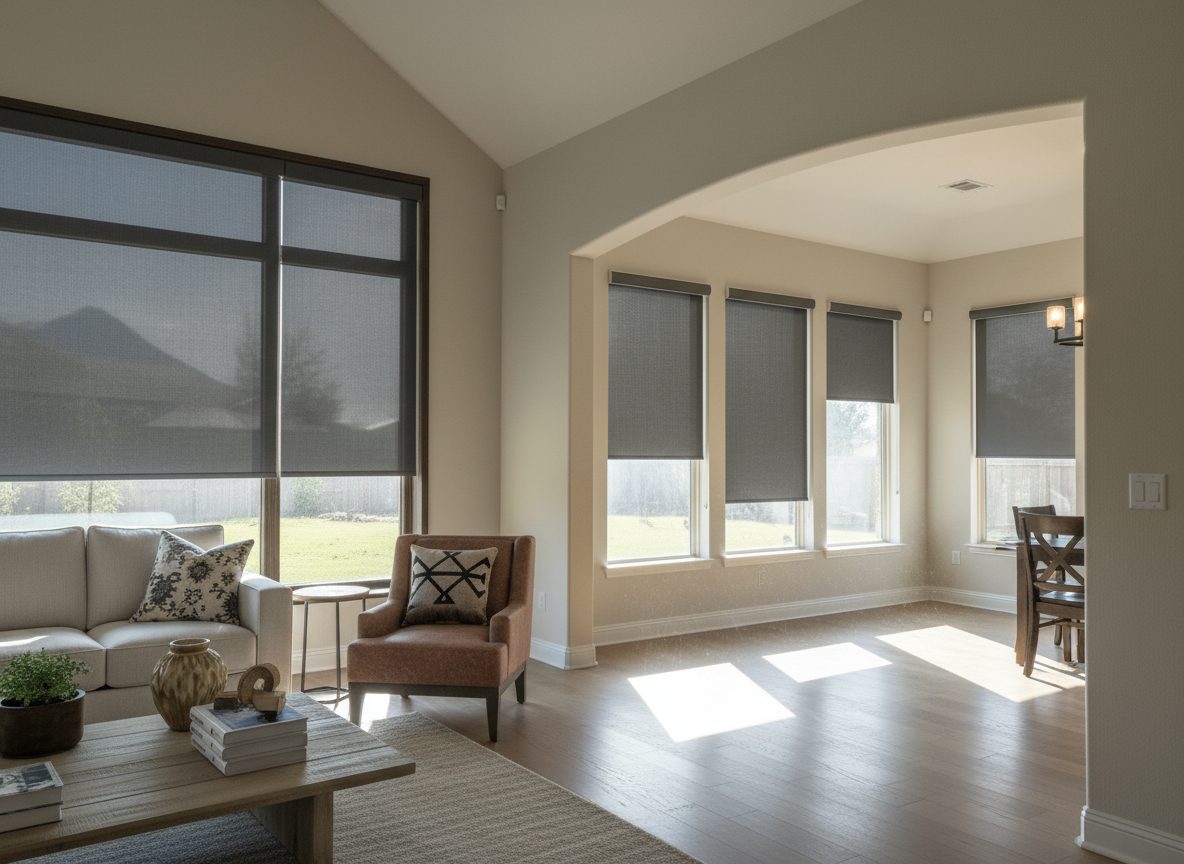
Motorized vs. Automated Window Treatments:
What’s the Difference?
Many homeowners assume motorized shades and automated window treatments are the same. No, and knowing the difference matters.
Motorized Window Treatments
Motorized window treatments move up and down with a remote, wall switch, or phone app. They can follow basic schedules, but only if you program them.
If the weather changes or your routine shifts, nothing adjusts unless you manually update the settings. They offer convenience, but they remain reactive.
Window Treatment Automation (2026 Standard)
Window treatment automation goes much further. These systems adjust automatically based on environmental conditions and household patterns.
Instead of reacting to commands, they respond to what is happening around them. Sun position, temperature, time of day, and room use all influence how shades move.
Motorized
shades are programmable while automated window treatments are responsive.
How Window Treatment Automation Actually Works
Automated window treatments rely on a combination of environmental awareness, usage patterns, and smart home integration. Together, these create a system that feels intuitive rather than technical.
Environmental Awareness
Modern systems monitor factors such as sunlight intensity, sun angle, outdoor temperature, and seasonal daylight changes. In Texas, this is especially important during long, hot afternoons. Shades can lower automatically during peak heat hours, then reopen later to bring in natural light without overheating the space.
Learning Daily Routines
Over time, automated systems recognize how your home is used. They notice when rooms are occupied, when privacy matters most, and when natural light is preferred. This allows adjustments to happen quietly in the background, without daily input.
Smart Home Integration
Motorized
blinds and shades work best when connected to the rest of the home. It coordinates with thermostats, lighting, and security systems to support comfort and efficiency. This creates a whole-home experience instead of isolated automation.
Smart Home Compatibility in 2026: What to Look For
Compatibility determines how well your smart blinds perform over time. Choosing the right platform ensures your investment stays useful as technology evolves.
Apple HomeKit
Apple HomeKit is a strong choice for households already using iPhones and other Apple devices. It offers simple automation, strong privacy controls, and clean scene-based routines. Many homeowners use it for morning routines, sunset privacy, and whole-home scenes.
Amazon Alexa
Alexa works well for voice-first homes and multi-brand systems. It allows easy voice control and flexible routines across rooms. This platform is popular for households that want straightforward control without complex setup.
Google Home
Google Home excels at context-aware automation. It uses environmental data and routines to optimize comfort throughout the day. Homeowners who value predictive adjustments often prefer this ecosystem.
Zigbee and Z-Wave Systems
These protocols are often used in custom-built smart homes. They offer high reliability, fast response times, and strong energy efficiency. Builders and advanced integrators frequently recommend them for long-term performance.
Everyday Uses That Matter in Real Texas Homes
Window treatment automation is most valuable when it solves daily frustrations. These are the features homeowners notice right away.
Privacy Without Thinking About It
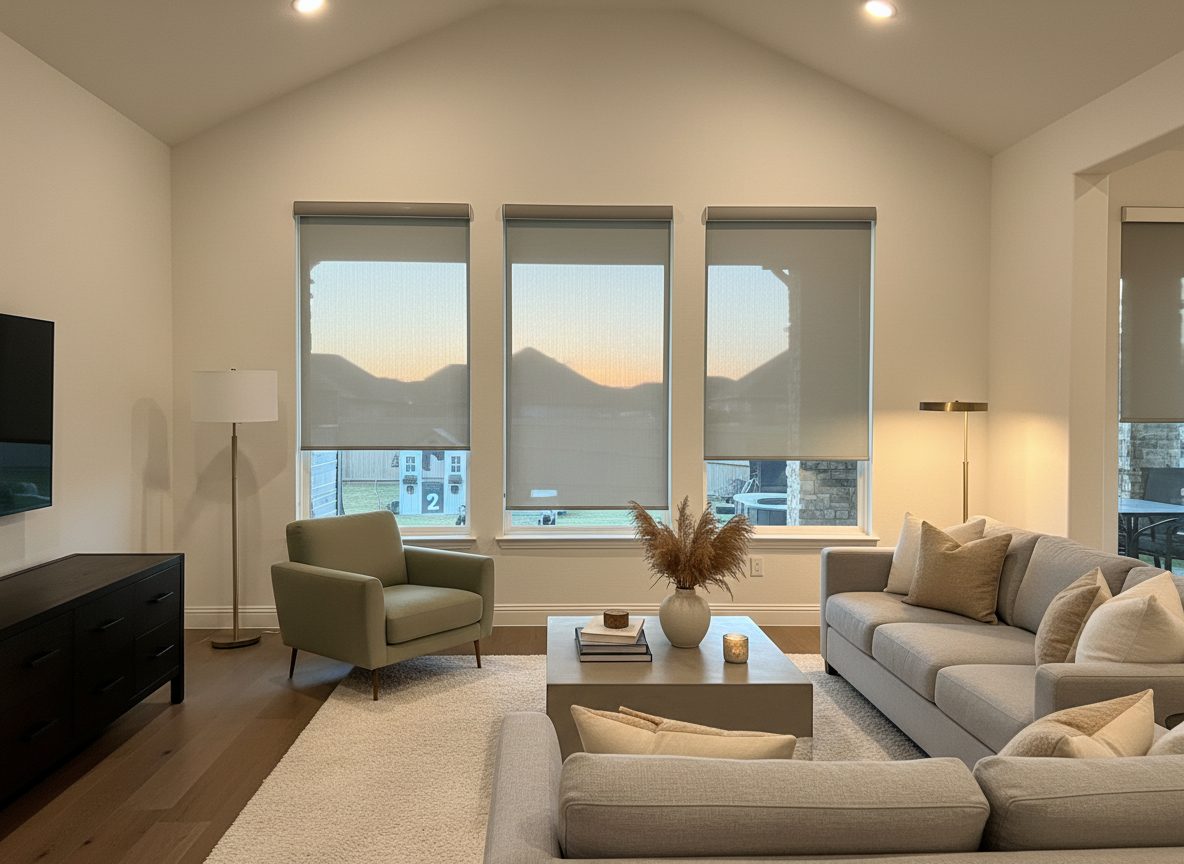
Automated shades lower at dusk, adjust based on neighboring homes, and respond to room occupancy. You no longer need to rush to close shades as the sun sets. Privacy happens automatically, without interrupting your evening.
Energy Control in Texas Heat
In cities like Dallas, Austin, and Houston, heat management is critical. Automated shades close during peak sun exposure and reopen when conditions improve.
In cooler months, they allow passive solar warmth to enter. This reduces strain on HVAC systems while maintaining natural light.
Voice-Controlled Comfort
Simple voice commands such as “good night” or “movie time” can adjust shades, light filtering, and ambiance at once. This turns daily routines into seamless experiences.
Energy Savings: What to Expect in 2026
Smart window treatment automation is one of the highest return-on-investment upgrades for Texas homes. Current projections show meaningful benefits. Homeowners often see lower cooling costs, reduced winter heating demand, and less wear on HVAC equipment.
By controlling solar heat gain during peak hours, homes also reduce energy use during times of grid stress. This is especially valuable in extreme summer conditions.
Best Window Treatment Types for Automated Homes
Not all window treatments perform the same when automated. Some options are especially well-suited for Texas climates.
Cellular (Honeycomb) Shades
Cellular shades offer excellent insulation and light blocking features. They help block heat in summer and retain warmth in winter. When paired with automation, they support energy-saving routines throughout the year.
Solar Shades
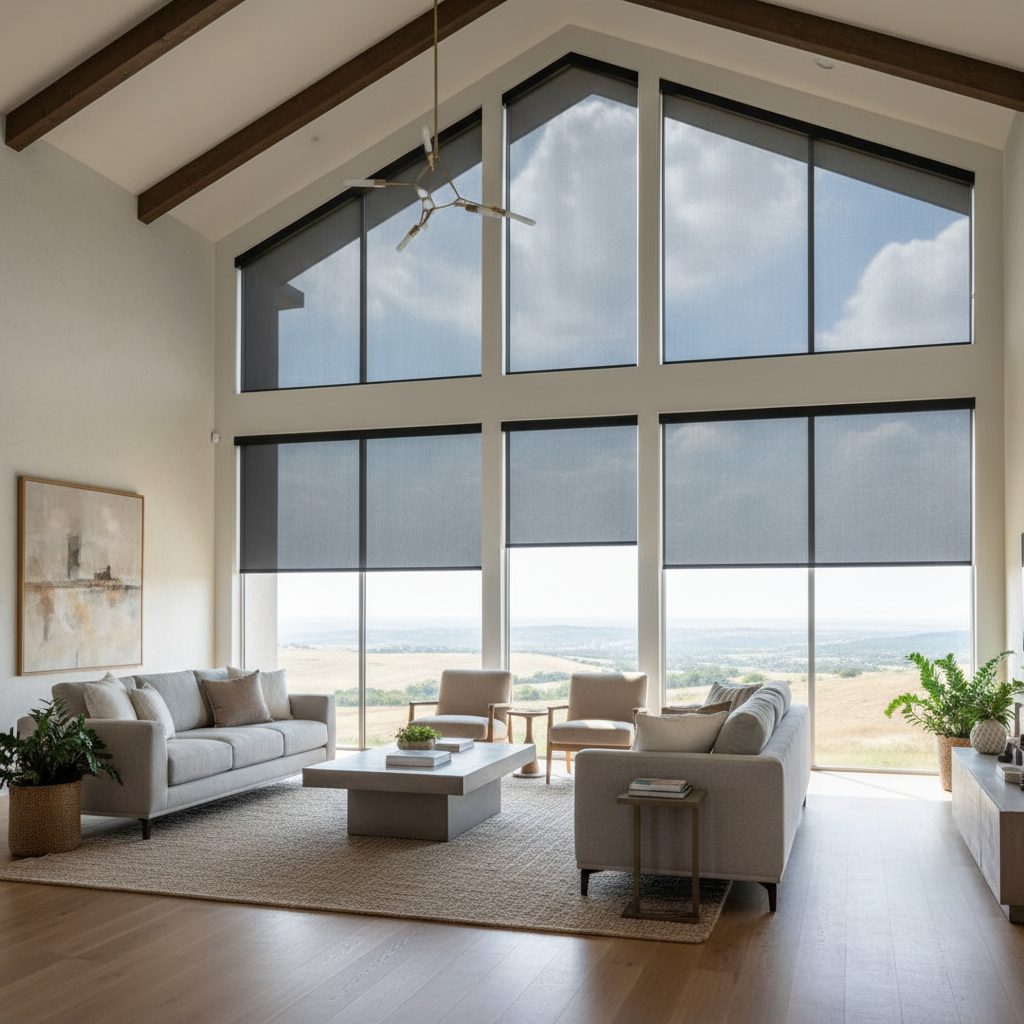
Solar shades reduce glare and UV exposure without blocking views. They work especially well with sun-tracking automation. These are a popular choice in modern Texas homes with large windows.
Ready to Upgrade Your Window Treatments?
If you are considering smart shades in Texas, professional guidance from Love is Blinds makes a difference. Custom solutions can be designed specifically for Texas heat, modern smart homes, and long-term energy savings. With the right planning, automation feels effortless and natural.
Schedule a consultation today and future-proof your home with thoughtfully designed, automated window treatments.
< Older Post
Newer Post >