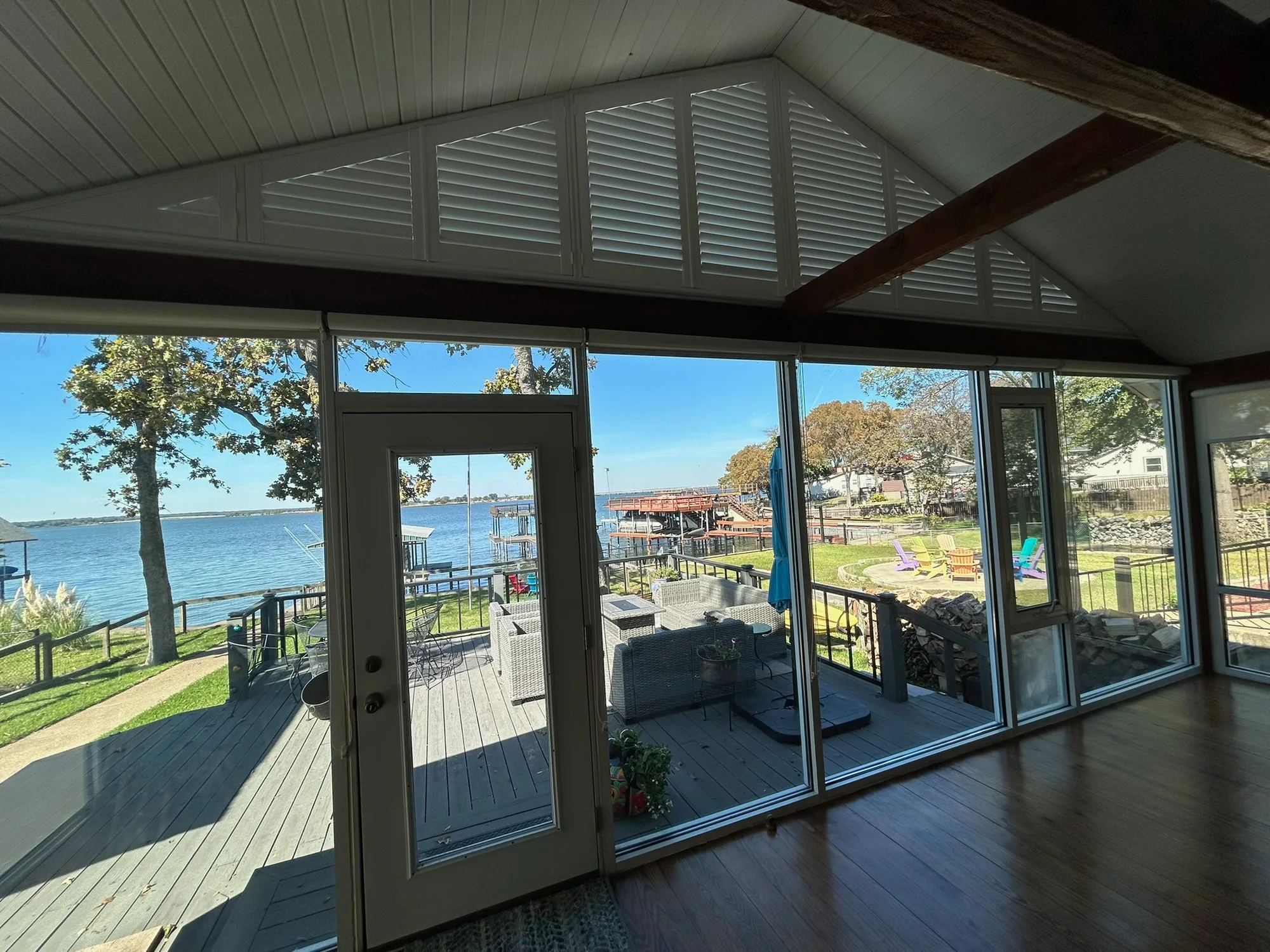
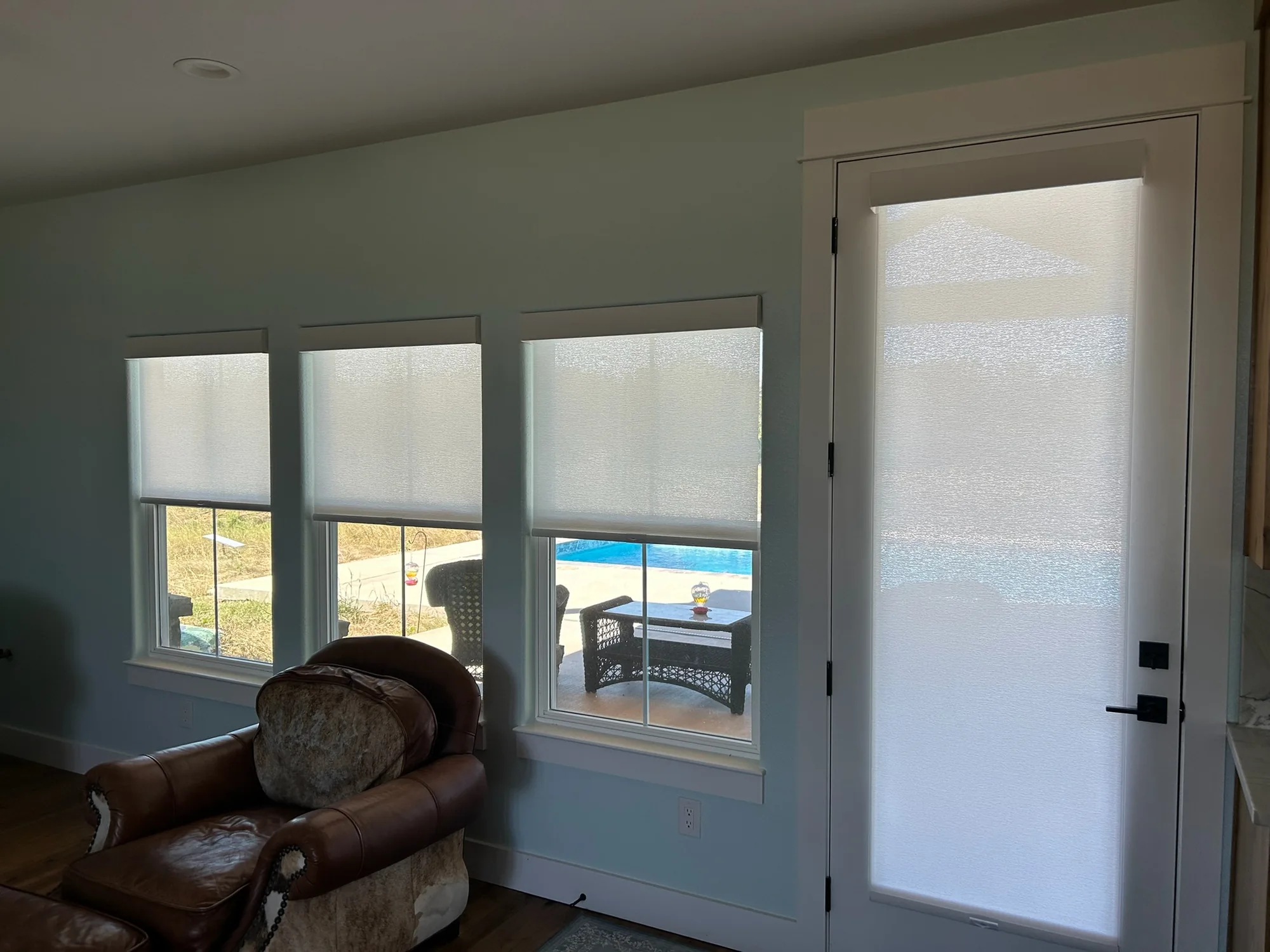
Short answer: what reads as expensive is fit, fullness and consistency, and none of the three requires the most expensive product in the book.
Fit is the first tell
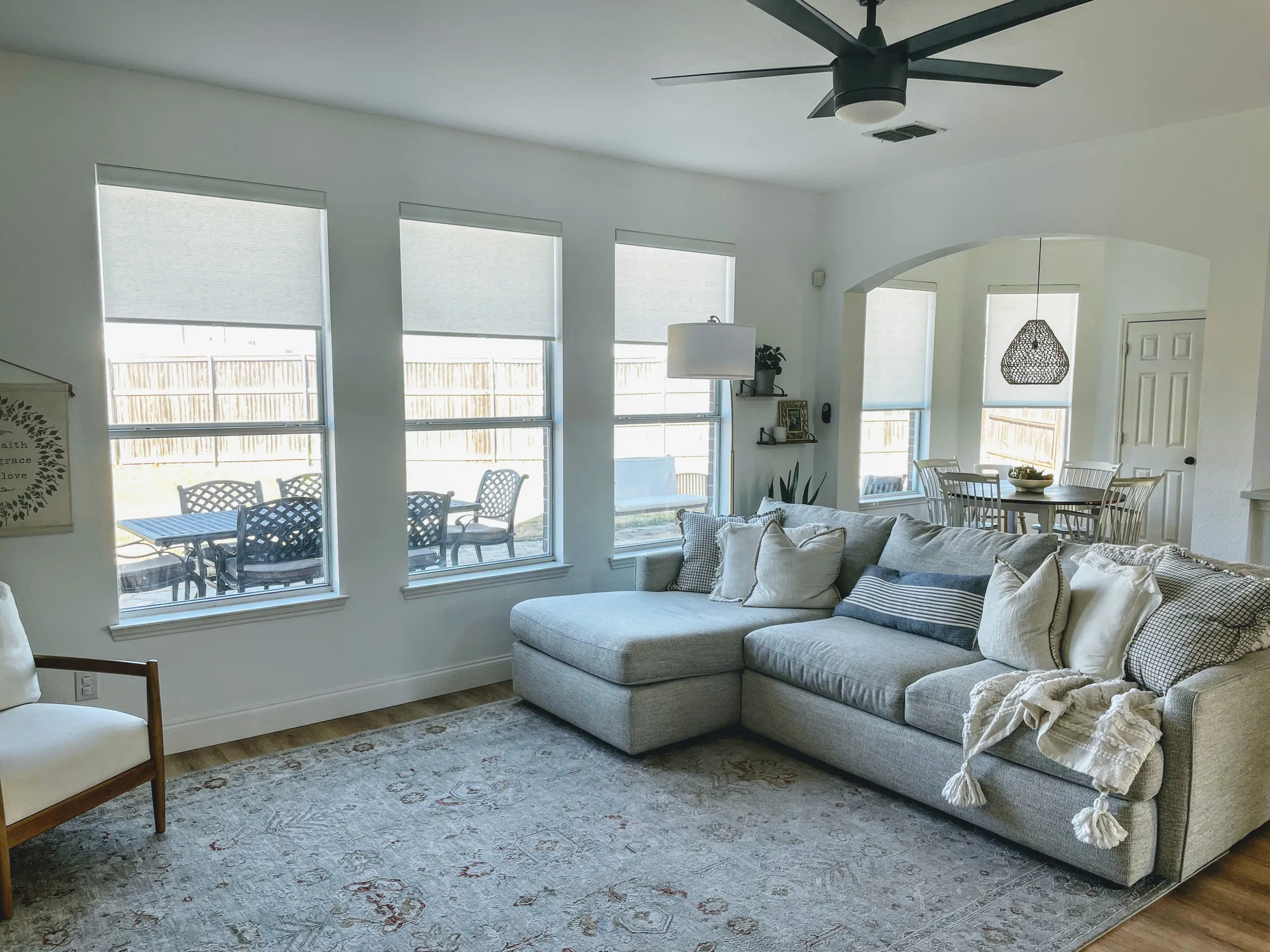
A stock blind cut close and shimmed in leaks light at the edges and hangs a crooked bottom rail, and every eye reads it even if nobody names it. A treatment built to the measured opening sits square with even reveals, and that alone moves a room upmarket before any style decision is made.
Mount higher and wider than the glass
Outside-mounted treatments hung above the frame and past its edges make the window read taller and the room read bigger. It is the oldest trick designers have because it keeps working: the same window, more presence, no construction.
Fullness reads as generosity
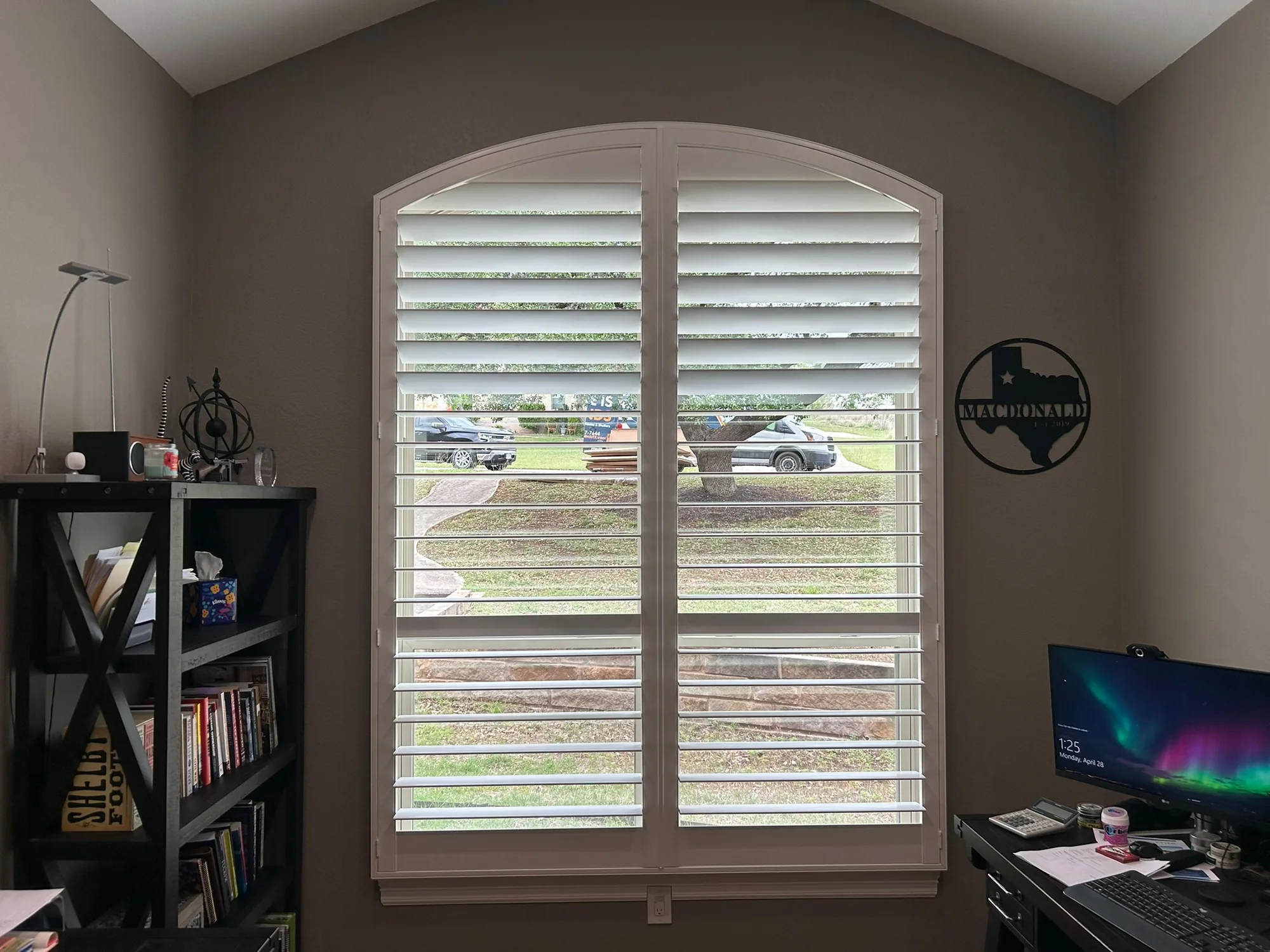
Skimpy fabric is the giveaway in drapery, and a shade stretched to its limit looks like the compromise it is. Panels with real fullness, romans with structured folds, shutters with a frame that owns the opening: the expensive read comes from a treatment that looks unhurried in its window.
Consistency from the curb
A house shows its windows from the street, and six windows in six treatments read as clutter. Matching what shows on each elevation, even while rooms differ inside, is the quiet discipline behind homes that photograph well. Plantation shutters carry this best, which is much of why they add curb appeal and resale value.
Hide the mechanics
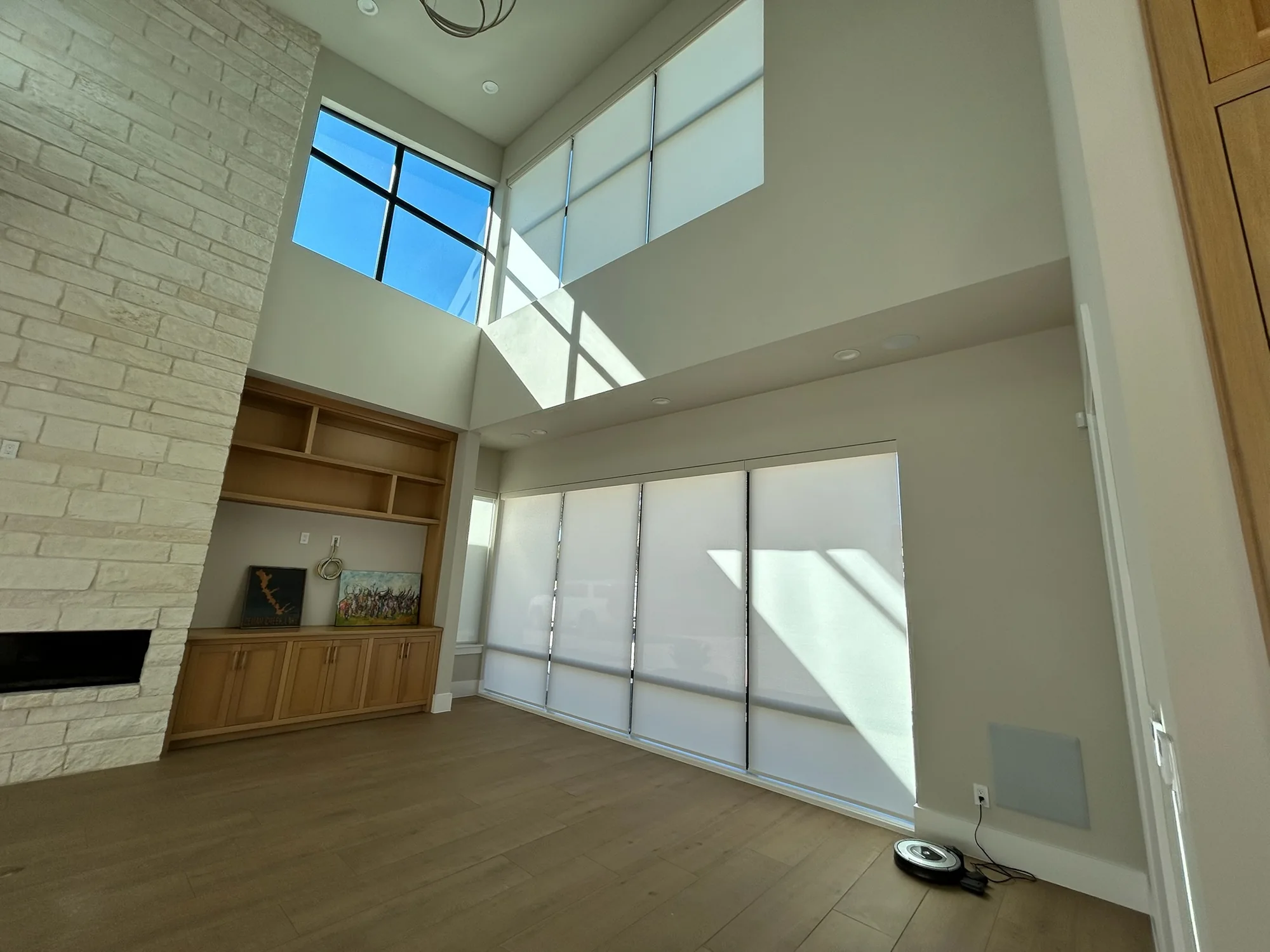
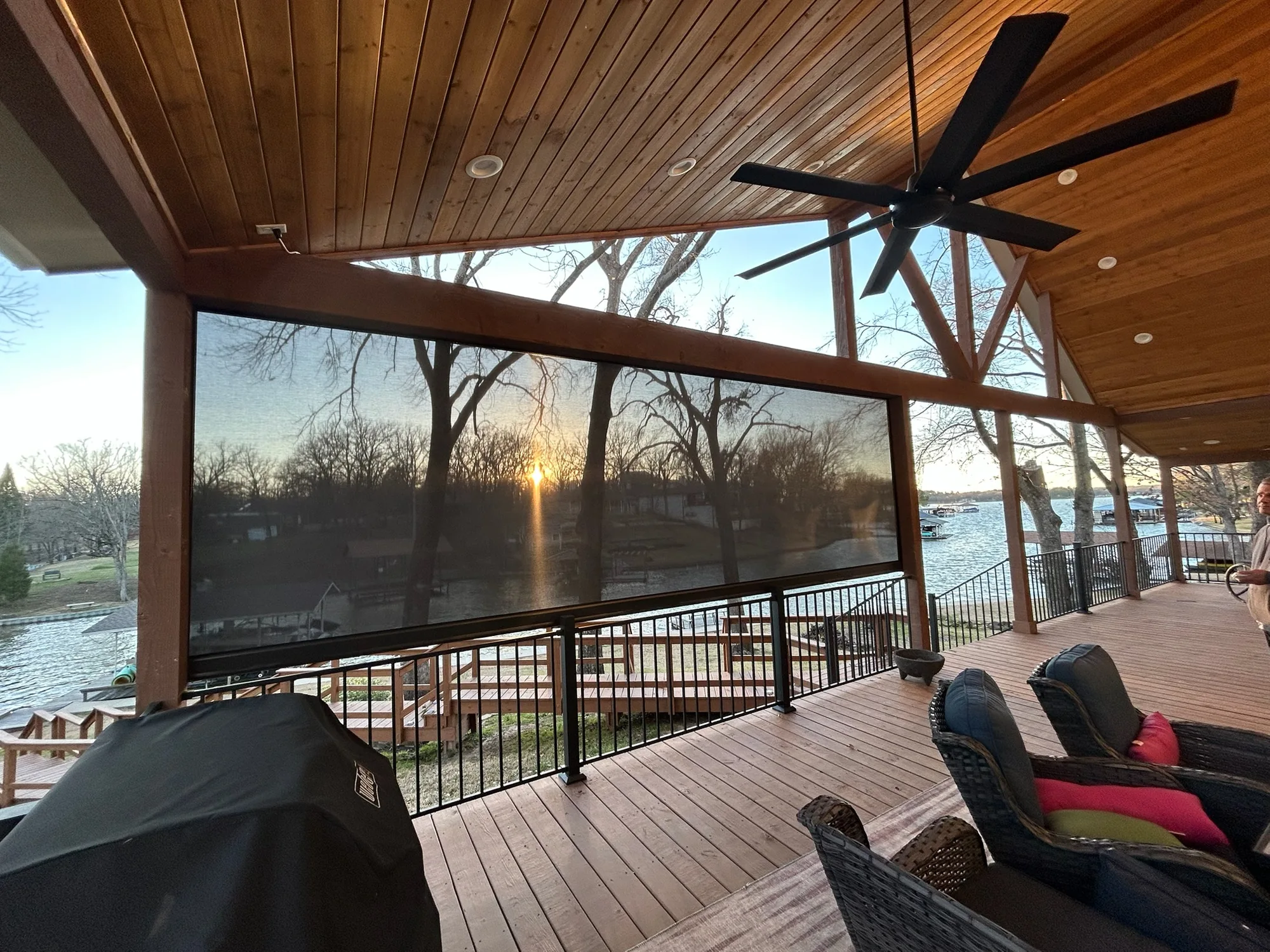
Cordless lifts and motorized shades remove the dangling loops and wands that date a window instantly. A bank of shades rising together on one remote is the kind of detail visitors remember, and it costs less than most people guess when it is specified with the treatment rather than added after.
Expensive-looking is a measuring decision
Every one of these effects depends on numbers taken at the window: the higher mount, the wider bracket, the fold that lands level. That is what the free in-home consultation is for, and the written quote prices the actual windows rather than a showroom fantasy.