Some window treatments collect dust and some shed it. For a household with allergies, that difference matters most in bedrooms.
The shape of the problem
Dust settles on horizontal surfaces and weaves into deep-pile fabric. Treatments with many small ledges hold and re-launch particles every time they move. The design answer is smooth, vertical, wipeable surfaces that give dust nowhere to live.
The allergy-friendly lineup
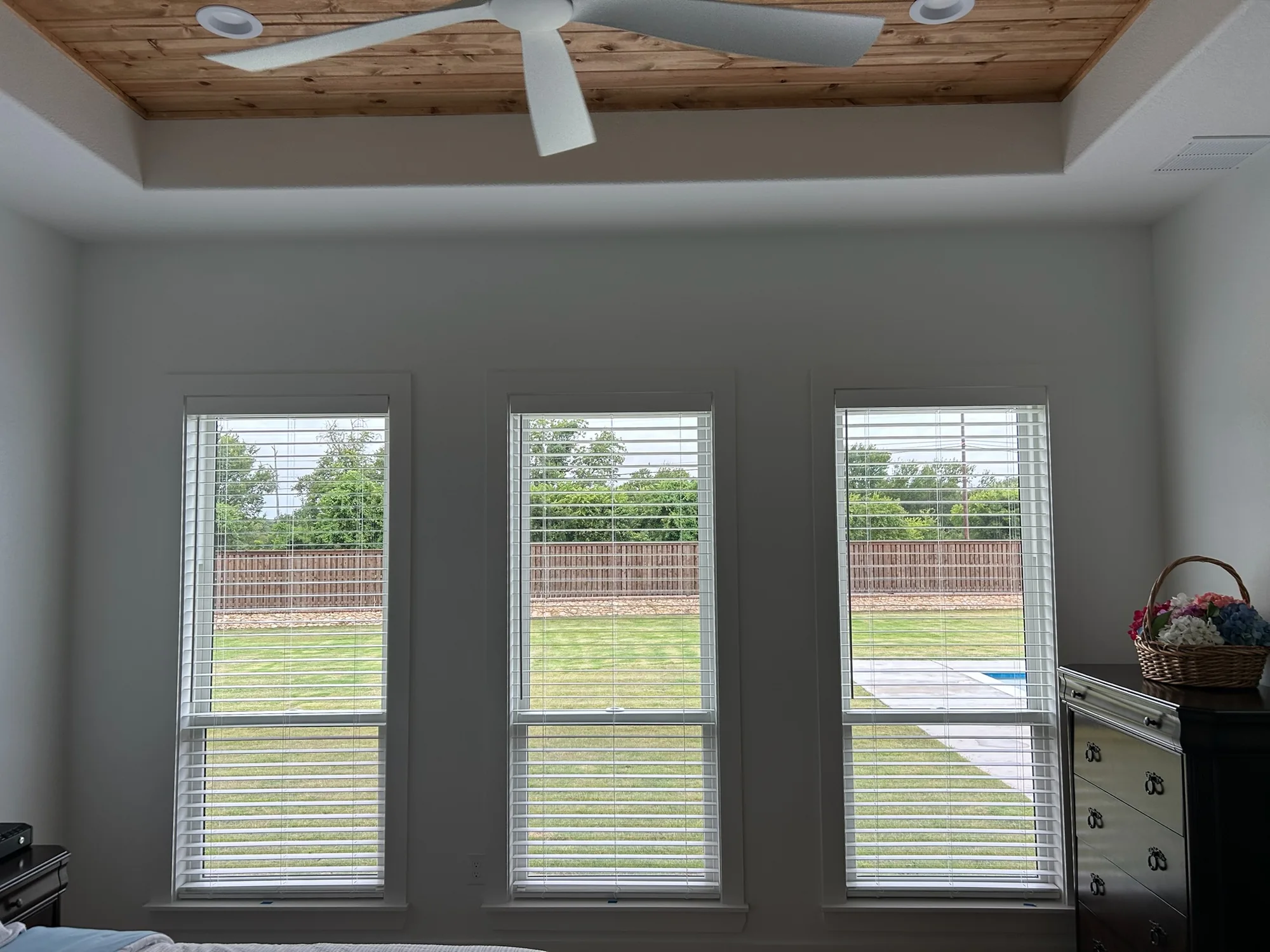
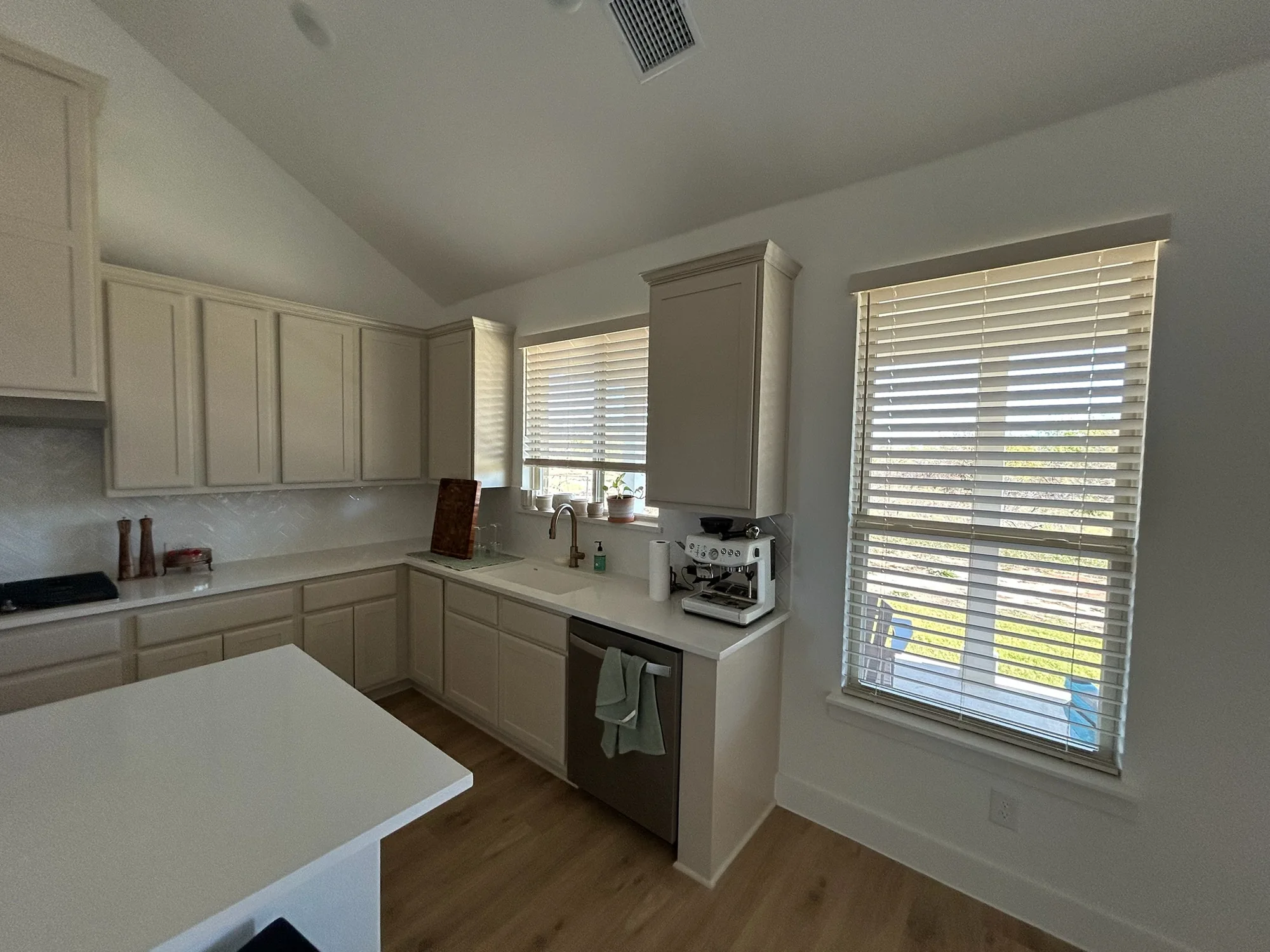
- Faux wood blinds and shutters: hard, smooth louvers that wipe clean in one pass
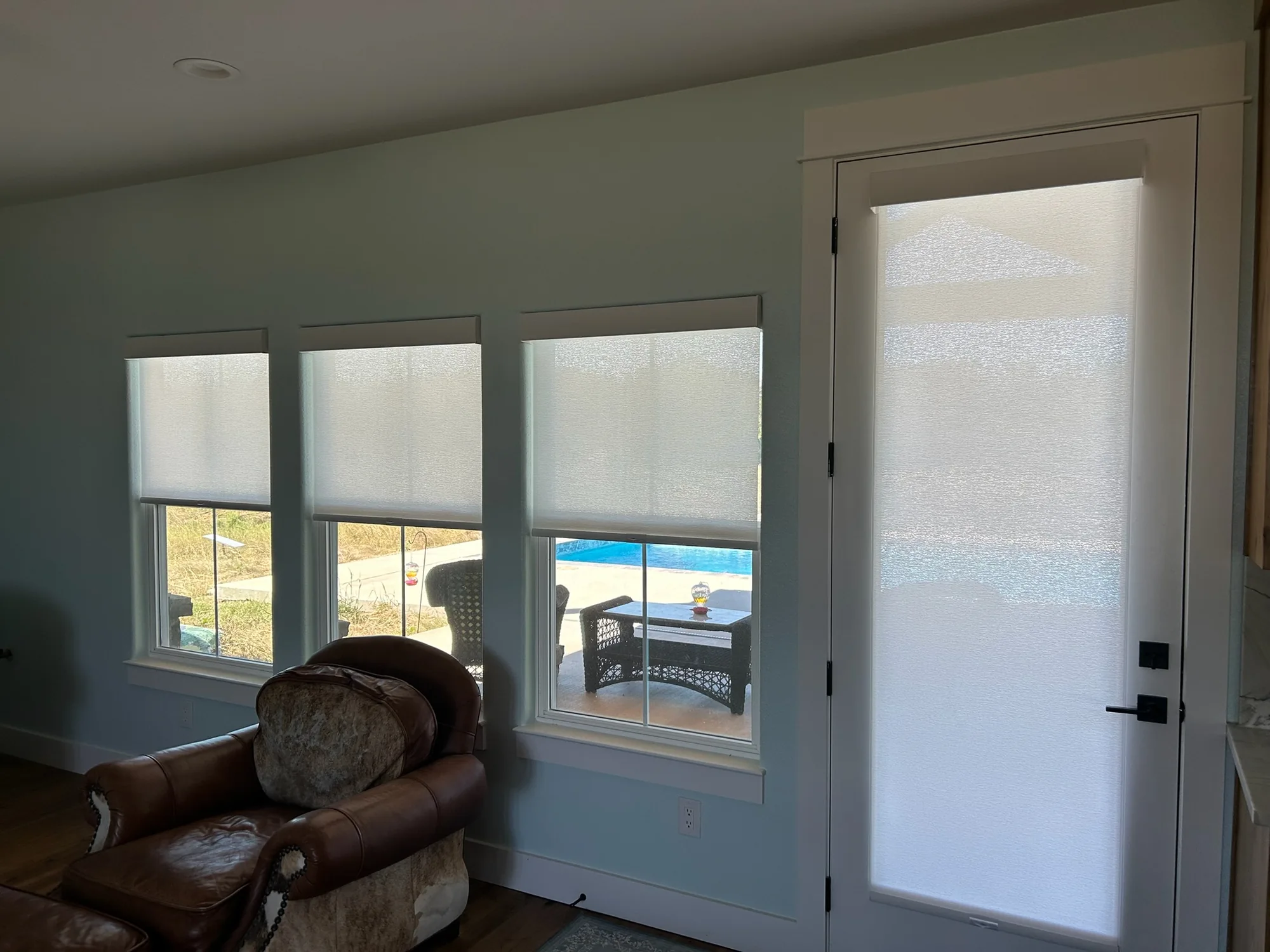
- Roller and solar shades: a single smooth panel with almost no ledge to hold dust
- Shutters generally: the easiest full-clean of any treatment, a damp cloth and done
What allergy homes should think twice about
- Heavy, textured drapery in bedrooms, unless it rotates through washing
- Deep-pleated fabric treatments that resist wiping
- Any corded ladder-and-slat system too delicate to clean weekly
Habits that multiply the gain
Wipe louvers and panels during regular dusting, vacuum shade faces monthly with a brush attachment, and favor bedrooms first when upgrading: the room where you breathe eight hours a night pays back the fastest.
Fabric shades can still work, with the right fabric
An allergy household does not have to give up fabric altogether. Tightly woven roller and solar fabrics have a flat face, and a vacuum brush clears them in a single pass. Cellular shades are smooth outside but collect dust inside the cells over time; a hair dryer on the cool setting or a can of compressed air pushes it out. That is fine for most homes and one more chore for a severe allergy sufferer.
Woven wood and other natural-fiber shades carry the most texture and hold the most dust, so they belong in rooms you spend the least time in. In a bedroom shared with allergies, the flat-faced fabrics are the safer pick.
Room by room in an allergy home
- Bedrooms first: the longest exposure and the stillest air. A room-darkening roller or faux wood shutters give darkness control with a surface you can wipe.
- Living areas: more traffic means more dust kicked up. Choose the treatment someone will actually clean, because a two-minute job gets done and an afternoon job does not.
- Kitchens: cooking adds grease, which turns dust into a film on fabric. Hard surfaces wipe it off.
- Nurseries: smooth surfaces plus cordless or motorized operation, so nothing hangs within reach.
What to ask at the consultation
- Which fabrics in the sample book have the flattest face
- Whether a blind or shutter sample is faux wood or real wood, and how each is cleaned
- Whether an inside mount is possible, which tucks the top of the headrail into the frame instead of leaving a ledge on the wall for dust to settle on
Bring the details to the visit: who has the allergies, which room they sleep in, and how often anyone realistically cleans. We bring samples to your home, so you can run a hand across the actual surfaces before you choose.