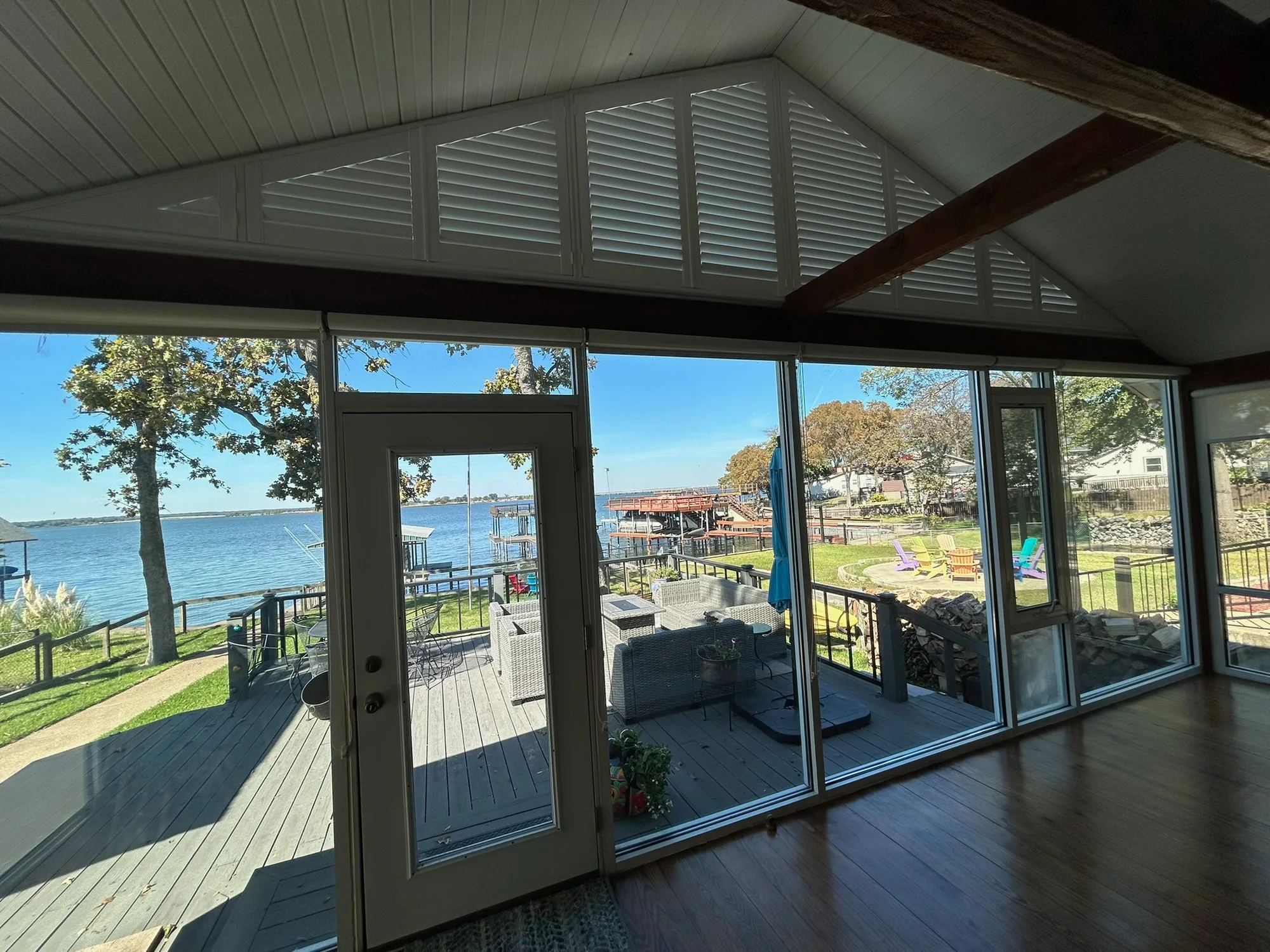
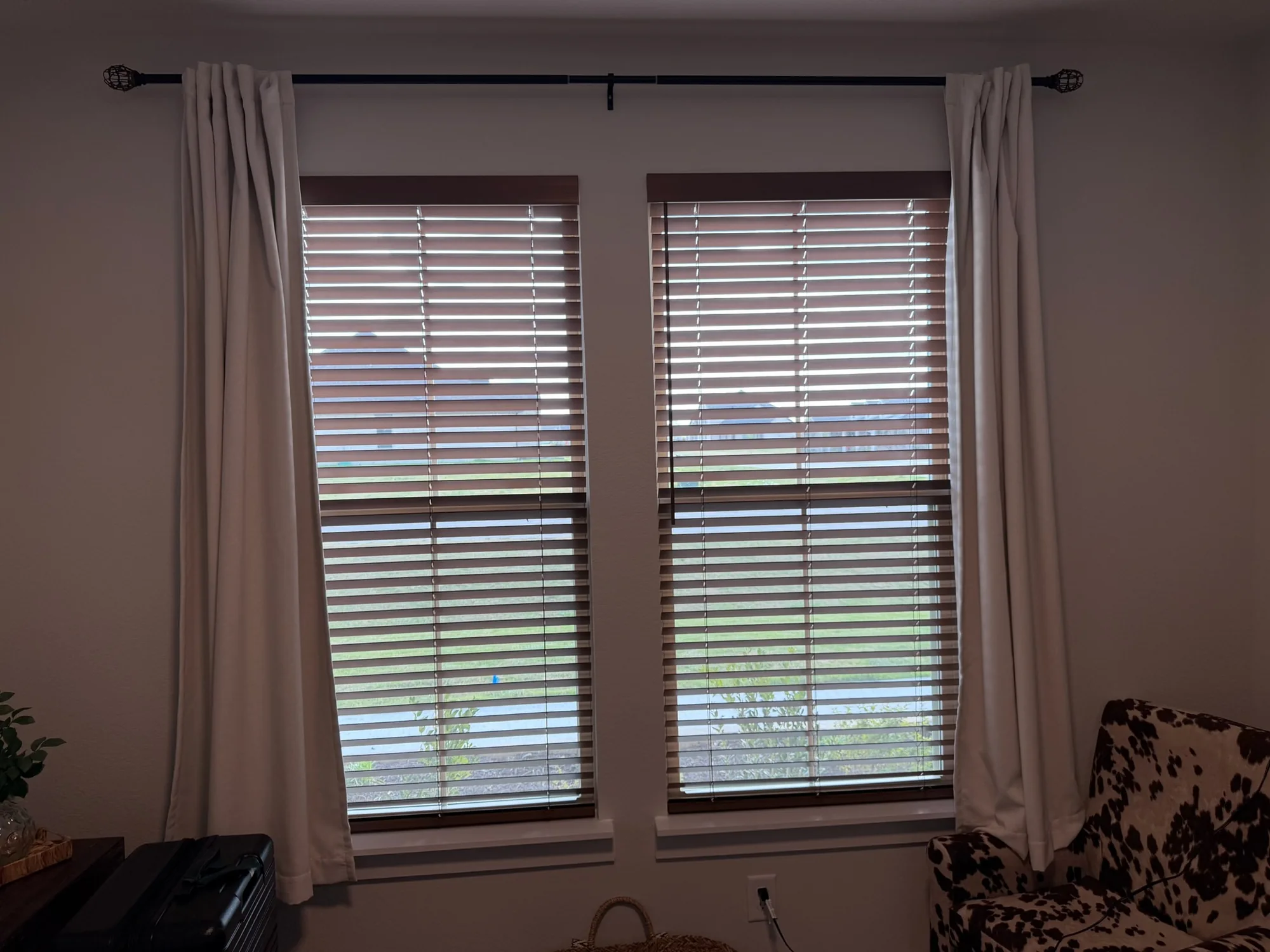
Short answer: inside mount looks built in and needs a square, deep enough frame. Outside mount forgives a bad opening, covers more glass and blocks more light.
Inside mount
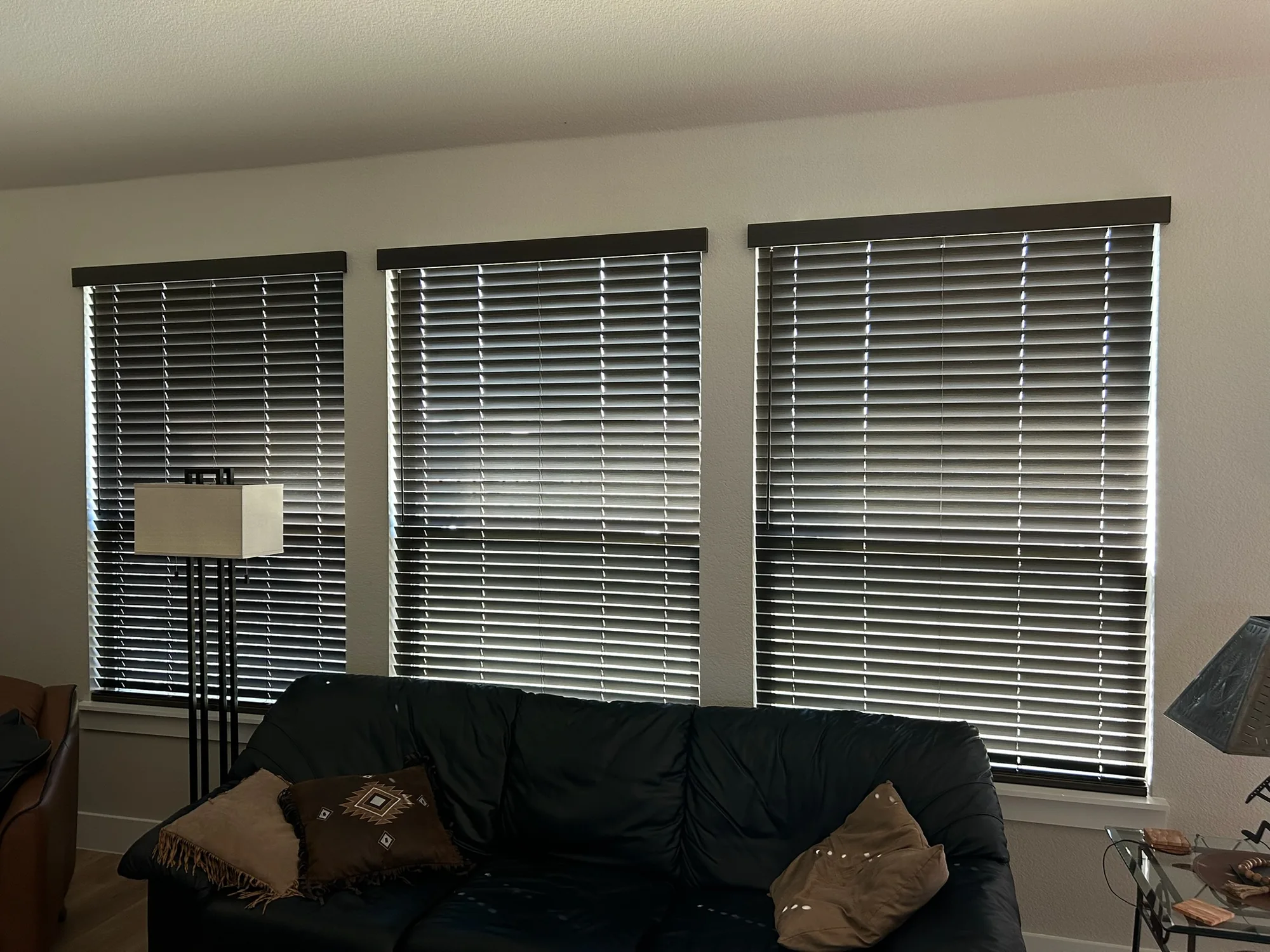
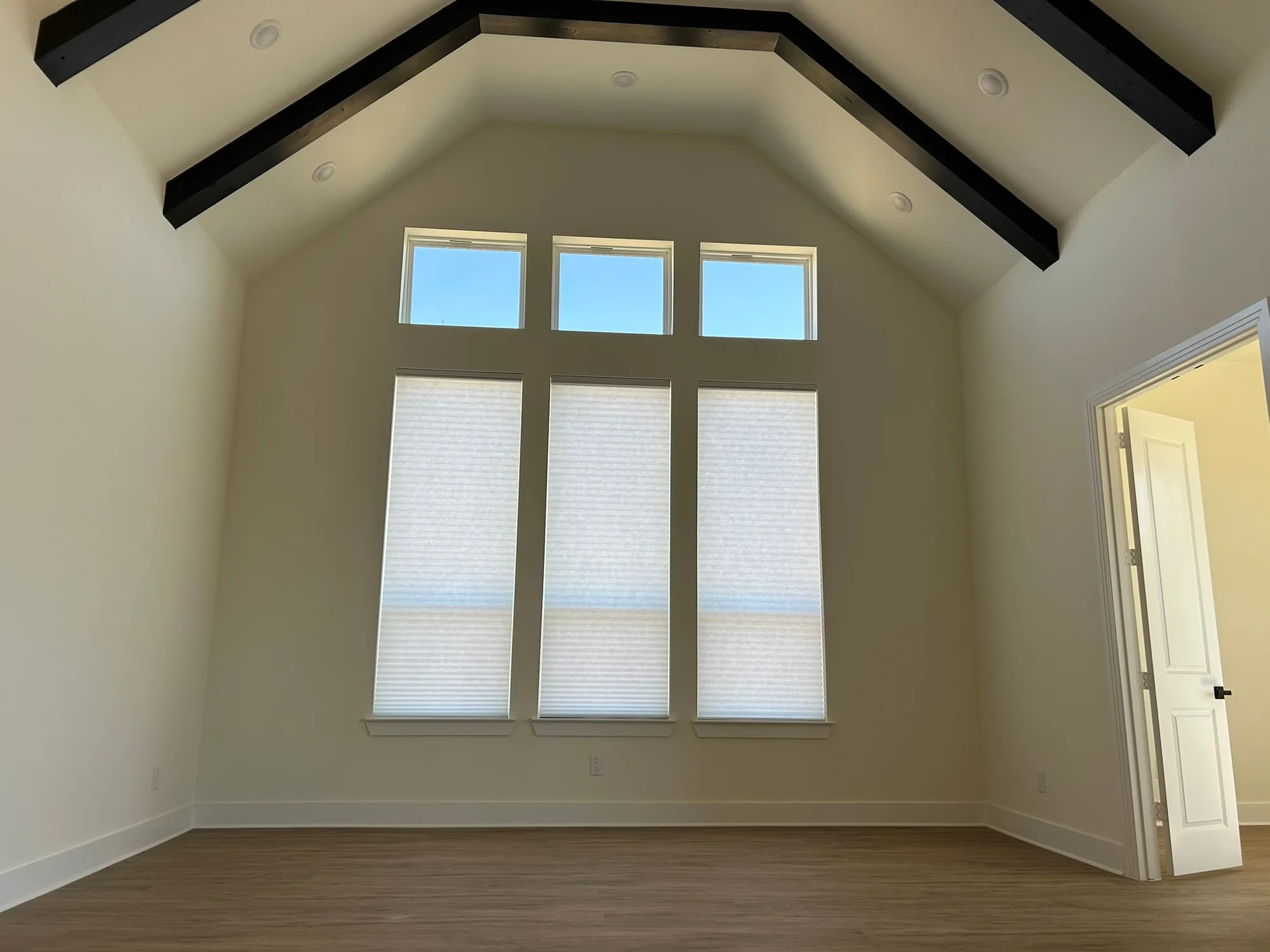
The treatment sits inside the window frame. It shows off trim, keeps the sill usable and looks purpose built.
- Needs enough clear depth for the headrail
- Needs an opening close to square
- Always leaves small light gaps at the sides
- Leaves the sill and trim visible
Outside mount
The treatment mounts on the wall or the trim above the opening and covers it.
- Forgives an out of square or shallow opening
- Blocks far more light, which is why bedrooms often use it
- Makes a small window look larger
- Covers trim you may want to see
How to choose in ten seconds
- Beautiful trim and a square frame: inside mount
- Bedroom or media room where darkness matters: outside mount
- Shallow frame, crank handle, alarm sensor or tile return: outside mount
- Small window you want to feel bigger: outside mount
What we do on site
We check depth and square at the consultation and tell you which mount the opening actually supports, rather than which one sounded better in the abstract.
Depth requirements differ by product
Every treatment has a minimum depth for an inside mount, and they are not the same. A roller shade needs the least, a shutter needs the most, and cellular sits in between because the headrail has to house the stack.
- Roller and solar shades need the least clear depth
- Cellular needs enough for the headrail and the stack
- Wood and faux wood blinds need room for the slats to tilt
- Shutters need the most, because louvers have to rotate without hitting the glass
What sits in the opening besides the window
Cranks, alarm sensors, tile returns, deep sills and trim all eat into usable depth. Any one of them can turn an inside mount into an outside mount, and it is better to find that out at the measure than after the order.
- Window cranks in kitchens and older casement windows
- Alarm contacts at the top of the frame
- Tile returns in bathrooms that project into the opening
- Sills you actually use as a shelf
Why custom orders punish small errors
A custom treatment is cut to the number you give. There is no returning it, no trimming it down and no swapping it for the next size. That is the whole reason we measure every opening ourselves rather than working from a list.
- An eighth of an inch too wide on an inside mount will not fit at all
- An eighth too narrow leaves a light gap you will notice every morning
- A height error shows as a treatment that stops short of the sill
- Reversing width and height produces something unusable
Openings are rarely square
Houses settle. Frames move. In most homes over a few years old, the width at the top of a window is not the width at the bottom, and the difference is often enough to matter on an inside mount.
This is why we measure in three places and why an outside mount is frequently the right answer in an older house, even when an inside mount would look neater.
Tools worth having
- A steel tape, not a cloth or fabric one, which stretches
- A step ladder, so you are measuring level rather than reaching
- A notepad with a column for width and a column for height, kept in that order
- A second person for anything wide or high
Or let us measure it
Every consultation includes measuring each opening on site. It is free, there is no obligation, and it removes the one risk that matters on a custom order: a treatment cut to the wrong number.