Mangatrack shades in Texas for summer homes
We've all done it: walked past a west-facing window in July and felt a literal wave of heat radiating into the room. Most homeowners try to fight this by closing their curtains, but standard interior blinds actually act like a heavy blanket that traps the heat inside. According to energy experts, once the sun's rays pass through your glass, the heat is already in your home, creating a frustrating mini greenhouse effect.
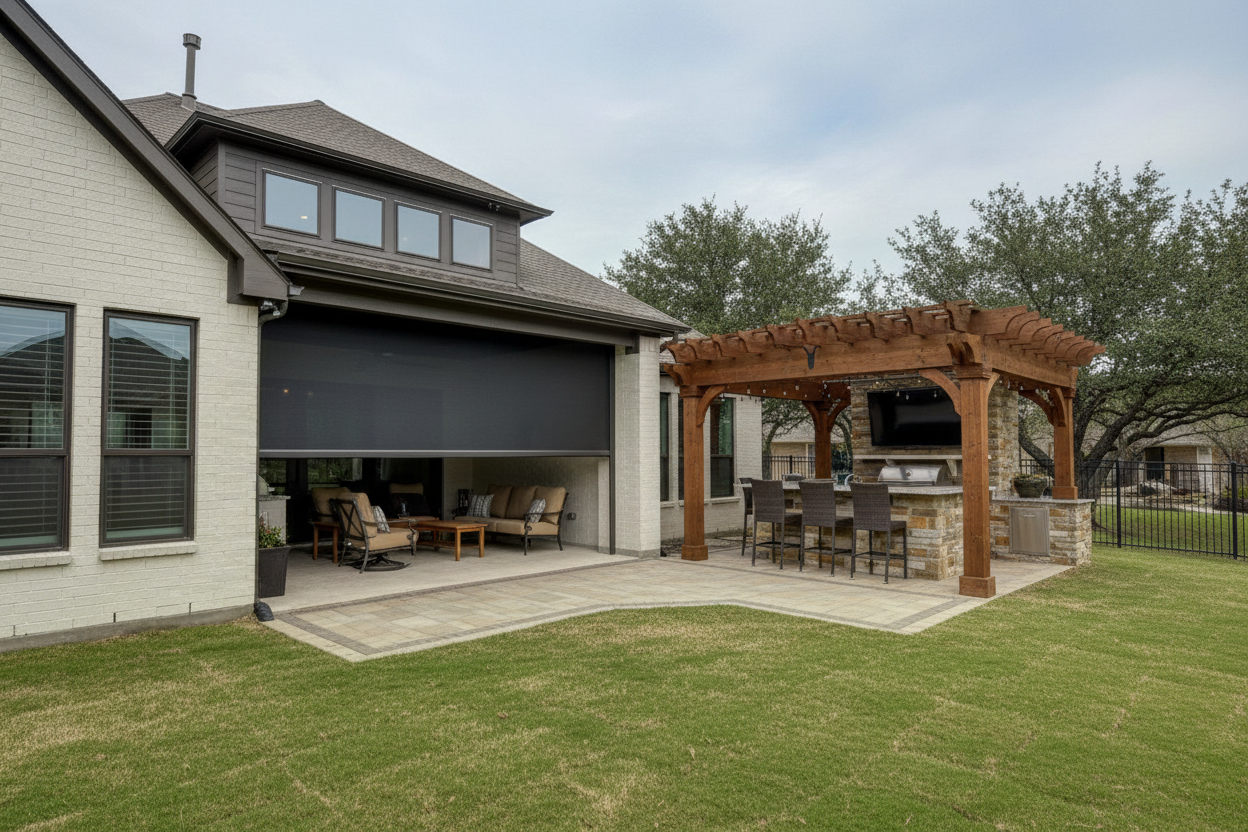
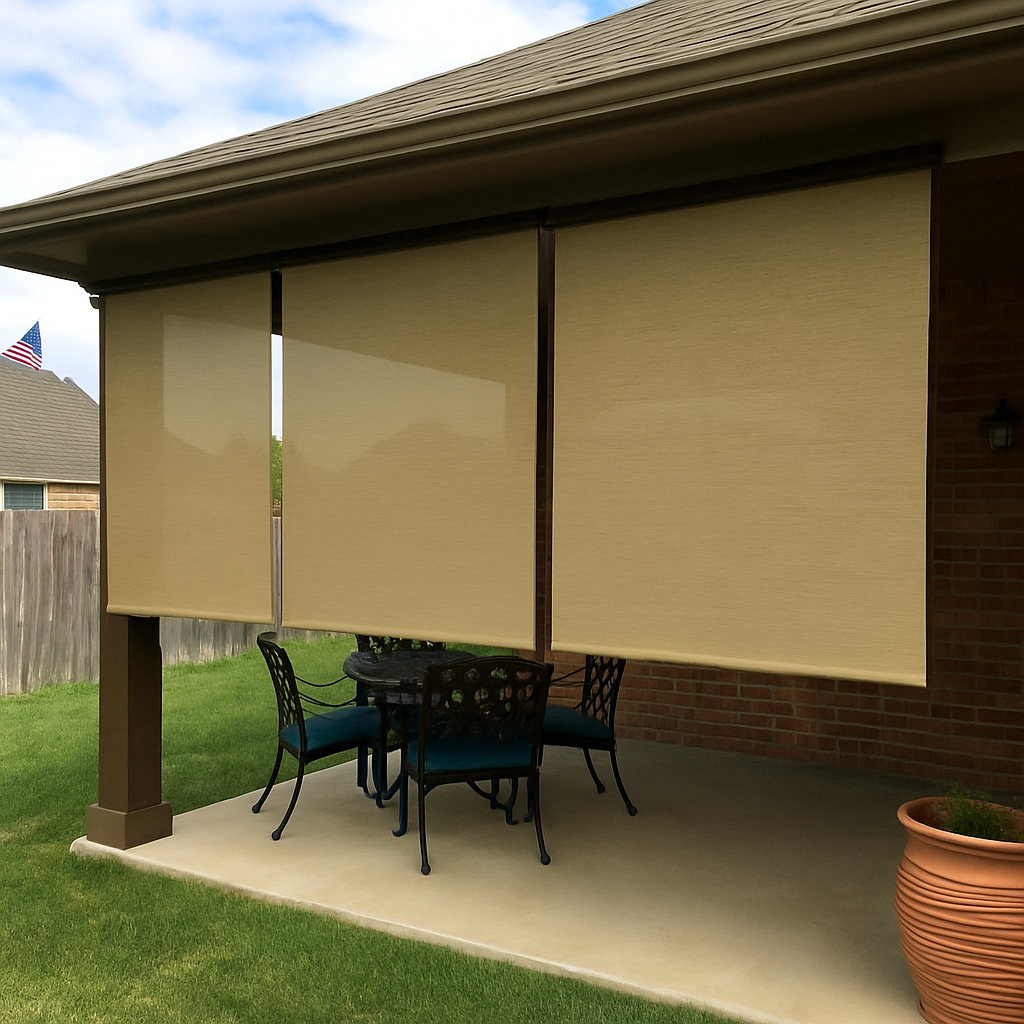
Fighting the brutal afternoon sun requires stopping that solar energy before it ever touches your glass. In practice, traditional fabric drapes offer poor defense against intense Texas UV rays, fading rapidly while still forcing your AC to run constantly. This is where installing exterior Mangatrack shades in Texas for summer homes changes your entire cooling strategy. In Central Texas cities such as Waco, these exterior patio shades act as an outdoor shield rather than an indoor blanket; the track-based systems physically block the heat from baking your windows.
Industry data reveals that this exterior shielding can lower indoor temperatures by up to 15 degrees. Mastering thermal defense for Texas patios and living rooms isn't just about afternoon comfort; it's a proven way to slash your electric bill. These energy-efficient window treatments have quickly become the ultimate standard for surviving the local climate.
Why 'Track' Systems Beat Traditional Blinds in a Texas Windstorm
We've all seen a sudden Texas thunderstorm turn an ordinary outdoor shade into a wildly flapping shower curtain. If you are asking, "are Mangatrack shades wind resistant?", the answer lies in how they anchor the material. Standard blinds rely entirely on a heavy bottom bar, which completely fails during massive gusts. To survive our volatile climate, a shade must physically lock the fabric into your patio pillars using captured edge technology.
Meeting strict Texas residential wind load requirements for shades makes perfect sense when you compare the three primary outdoor options:
- Weight-Based Systems: Anchored only at the top roller, leaving the sides completely exposed to the elements.
- Zip-Track Systems: The fabric zips into a rigid side rail. They handle light breezes well, but static tracks often jam or rip under heavy pressure.
- MagnaTrack Systems: Features a free-floating inner track held securely by neodymium magnetic tensioning.
These heavy-duty magnets are the secret to preventing costly service calls. When extreme wind hits, the weather-sealed side channel track systems separate slightly to absorb the impact, then instantly snap back perfectly taut. This self-adjusting flexibility ensures your screen survives the storm without bunching. Beyond wind resistance, these systems block intense summer sun to drastically slash AC costs.
Slashing AC Costs with Solar Heat Gain Reduction: The Science of the 15-Degree Drop
Closing indoor blinds to block summer heat is like wrapping your windows in a warm blanket. Once sunlight passes through the glass, the thermal energy is already trapped inside. The secret to reducing air conditioning costs with outdoor shades is using them as a physical shield that stops the sun before it ever hits your house.
Think of exposed windows as giant radiators during a July afternoon. Sunlight bakes the pane, turning the glass surface temperature into a massive heat source that constantly fights your AC. Achieving true solar heat gain reduction for Texas patios and living rooms requires stopping those rays outside, which can effectively drop your indoor temperatures by up to 15 degrees.
You can actually measure this difference yourself. Point a cheap infrared thermometer at an unshaded west-facing window at 4 PM to see the harsh reality, then check a shaded one. You will instantly understand how blocking that external heat creates vital peak load reduction, easily shaving hours off your daily air conditioner run-time when electricity rates are highest.
These specialized fabrics work through infrared reflection, bouncing the worst of the thermal energy away while preserving your line of sight. When hunting for the best exterior shades for high UV protection, the goal is finding the exact right weave for your yard to balance light blocking and visibility.
Picking Your 'Sunglasses': How Mesh Opacity Balances Privacy and Texas Views
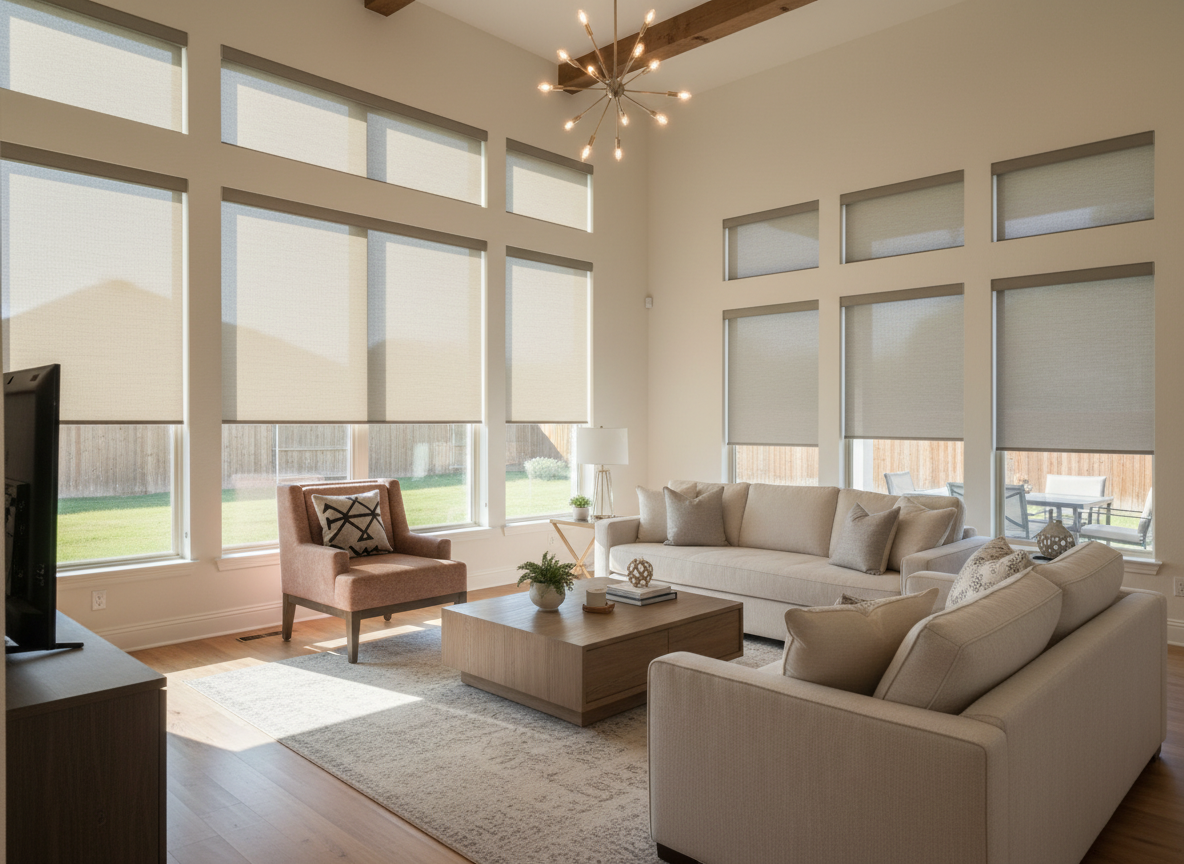
Imagine buying a pair of sunglasses; you want to block the harsh glare but still clearly see the world around you. Heavy-duty motorized patio privacy screens work exactly the same way using an "openness factor," which measures how tightly the fabric is woven. Surprisingly, dark fabrics actually provide much better view-through clarity than light ones. White or tan mesh reflects the sun back into your eyes, creating a bright glare that washes out the landscape, whereas dark mesh absorbs that light, making choosing shade fabric opacity for lakefront views or backyard gardens much easier.
Finding the right weave prevents UV degradation---that relentless fading that ruins cushions---and is crucial for protecting outdoor furniture from sun damage. Here is a quick guide to balancing your needs:
- 1% Open: Maximum privacy and ultimate sun blocking. Best for brutal west-facing exposures.
- 5% Open: The standard balance. Delivers significant heat reduction while maintaining a comfortable view.
- 10% Open: Maximum view. Ideal for east-facing patios where preserving the scenery is your top priority.
Once the perfect mesh is selected to shield your space without losing your line of sight, automated controls ensure you never have to manually adjust it.
Shading on Autopilot: The Convenience of Motorized Sensors and Smart Integration
We all know the frustration of coming home to a sweltering house simply because someone forgot to lower the blinds. By utilizing automatic sun sensors for residential shading, your home defends itself autonomously. These systems actively monitor UV intensity, deploying your screens the second the harsh afternoon glare hits your glass to stop heat buildup before it ever starts.
Beyond simple timers, modern motors actually protect themselves from everyday backyard accidents. If a stray patio chair or a forgotten child's toy blocks the descending path, built-in obstacle detection immediately halts the system. This smart pause prevents fabric bunching and expensive motor damage, ensuring your mangatrack shades texas system survives years of heavy daily use without tearing.
Controlling this shield is effortless whether you tap a smartphone app or rely entirely on automatic solar tracking to do the thinking for you. Ultimately, installing motorized solar screens for sunrooms transforms them from static barriers into active, energy-saving smart devices. However, even the most advanced automation requires absolute precision in physical mounting.
From Measuring to Installation: Avoiding Common Mistakes in Custom Outdoor Shading
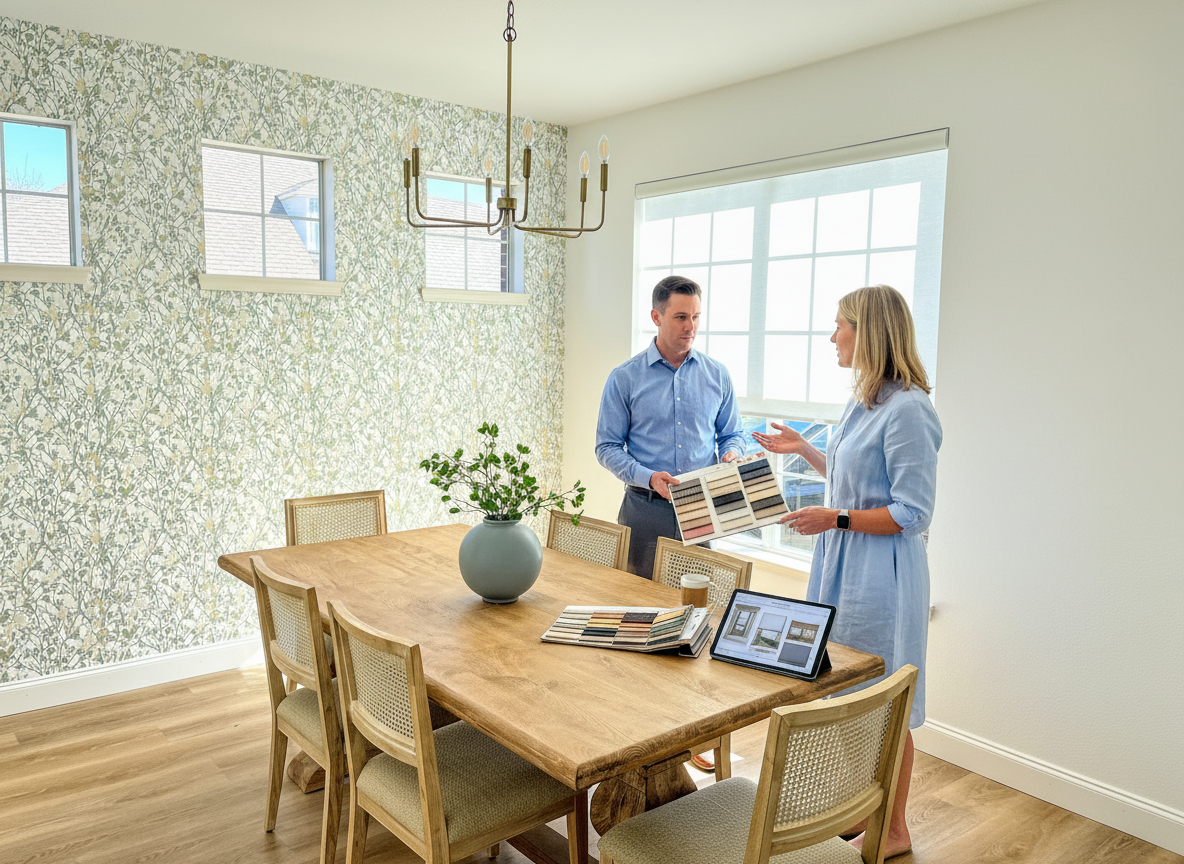
Even the smartest automated system fails if the physical fit is wrong. Many homeowners look up how to measure for custom exterior shades thinking it is a simple weekend DIY project, but Texas porches are rarely perfectly square. If a frame is off by even half an inch, you end up with glaring light gaps that leak heat right onto your patio. A professional measures for absolute squareness to ensure the tracks sit flush, acting as a complete thermal shield rather than a leaky blanket.
Beyond just taking dimensions, how the system anchors to your home---known as the mounting substrate---makes all the difference during a sudden Blue Norther. This structural integrity is the defining factor when comparing Mangatrack vs traditional outdoor roller blinds. A standard blind flaps wildly or tears from weak stucco, but a properly secured track system meets strict wind-load compliance standards. This anchoring guarantees the durability of zip-track blinds in coastal climates or the gusty plains of West Texas, locking the fabric firmly in place.
To guarantee your shade survives both brutal sun and heavy storms, you need the right installation team. Before hiring anyone, use this "What to Ask a Pro" checklist:
- What is the specific wind rating for my home's mounting setup?
- Does the warranty cover the motor?
- Where is the fabric sourced?
- Do you have local Texas experience?
Equipped with these questions, you can move forward with a reliable, functional cooling strategy.
Your Cool Summer Action Plan: Transforming Your Patio into a Year-Round Retreat
You no longer have to surrender your afternoons to the brutal July heat or hide indoors until dusk. By understanding the true value of Mangatrack shades in Texas for summer homes, you transition from relying on an interior "blanket" that traps heat to an exterior shield that stops the sun before it even hits your glass. Because these durable Texas shades lock securely into their side rails, they easily withstand gusty thunderstorms and high winds without annoying flapping.
Start your patio cooling project with this actionable plan:
- Identify hottest windows: Prioritize the west-facing rooms and outdoor zones that absorb the most afternoon sun.
- Choose opacity level: Decide if you need maximum glare reduction or want to preserve your backyard view.
- Schedule a heat-map consultation: Contact a specialist in patio shades central texas to evaluate your specific sun exposure and properly size your system.
Once you stop the heat from invading your space, you will see your home's potential in a completely different light. By taking control of your home's thermal defense, you can finally reclaim your outdoor spaces and enjoy them comfortably all summer long.
Q&A
Question: Why do exterior Mangatrack/MagnaTrack shades cool better than interior blinds in Texas heat?
Short answer: Because they stop solar energy before it enters your home. Once sunlight passes through glass, the heat is already trapped inside, creating a "mini greenhouse" effect that interior blinds can't undo. Exterior track-based shades act as a physical shield that blocks and reflects infrared energy before it hits the pane, preventing the glass from turning into a radiant heat source. Homeowners commonly see up to a 15-degree indoor temperature drop and reduced AC run time, especially on west-facing windows and patios during peak afternoon hours.
Question: Are Mangatrack shades wind resistant, and how do they compare to other outdoor shade systems?
Short answer: Yes---MagnaTrack-style systems are designed for wind and storm resilience. Unlike weight-based shades (which flap) and many zip-track systems (which can jam or tear under high pressure), MagnaTrack uses a free-floating inner track with neodymium magnetic tensioning. In heavy gusts, the captured-edge fabric can momentarily separate within the weather-sealed side channels to absorb impact, then snap back taut. This self-adjusting action reduces fabric bunching and service calls, while meeting strict wind-load expectations for Texas storms.
Question: How do I choose the right mesh openness and color for privacy, heat control, and preserving my view?
Short answer: Match openness to sun exposure and your view priorities: 1% for maximum blocking and privacy (great for brutal west-facing exposures), 5% for a balanced mix of heat reduction and clarity (the common sweet spot), and 10% for the best view on lower-intensity sides like the east. For color, darker fabrics actually provide better view-through by absorbing glare, while light colors can wash out the view by reflecting light. The right weave also slows UV degradation, protecting outdoor fabrics and furniture from fading.
Question: What automation features matter, and how do they save energy and protect the system?
Short answer: Sun/UV sensors deploy shades automatically when glare and heat peak, stopping solar gain before it starts and shaving hours off daily AC use during high-rate periods. Obstacle detection pauses the motor if something blocks the shade, preventing fabric damage and motor strain. App control, timers, and solar tracking make operation hands-free, turning shades from passive barriers into active, energy-saving devices that respond to real conditions.
Question: Why is professional measuring and installation so important for exterior track shades?
Short answer: Texas porches and openings are rarely perfectly square. Even a half-inch error can create light gaps that leak heat and undermine performance. Pros verify squareness, align the tracks flush, and anchor into the correct mounting substrate to meet wind-load requirements---crucial for surviving Blue Northers and coastal gusts. Before hiring, ask: What's the wind rating for my setup? Is the motor covered by the warranty? Where is the fabric sourced? Do you have local Texas experience? These details determine durability, efficiency, and long-term reliability.