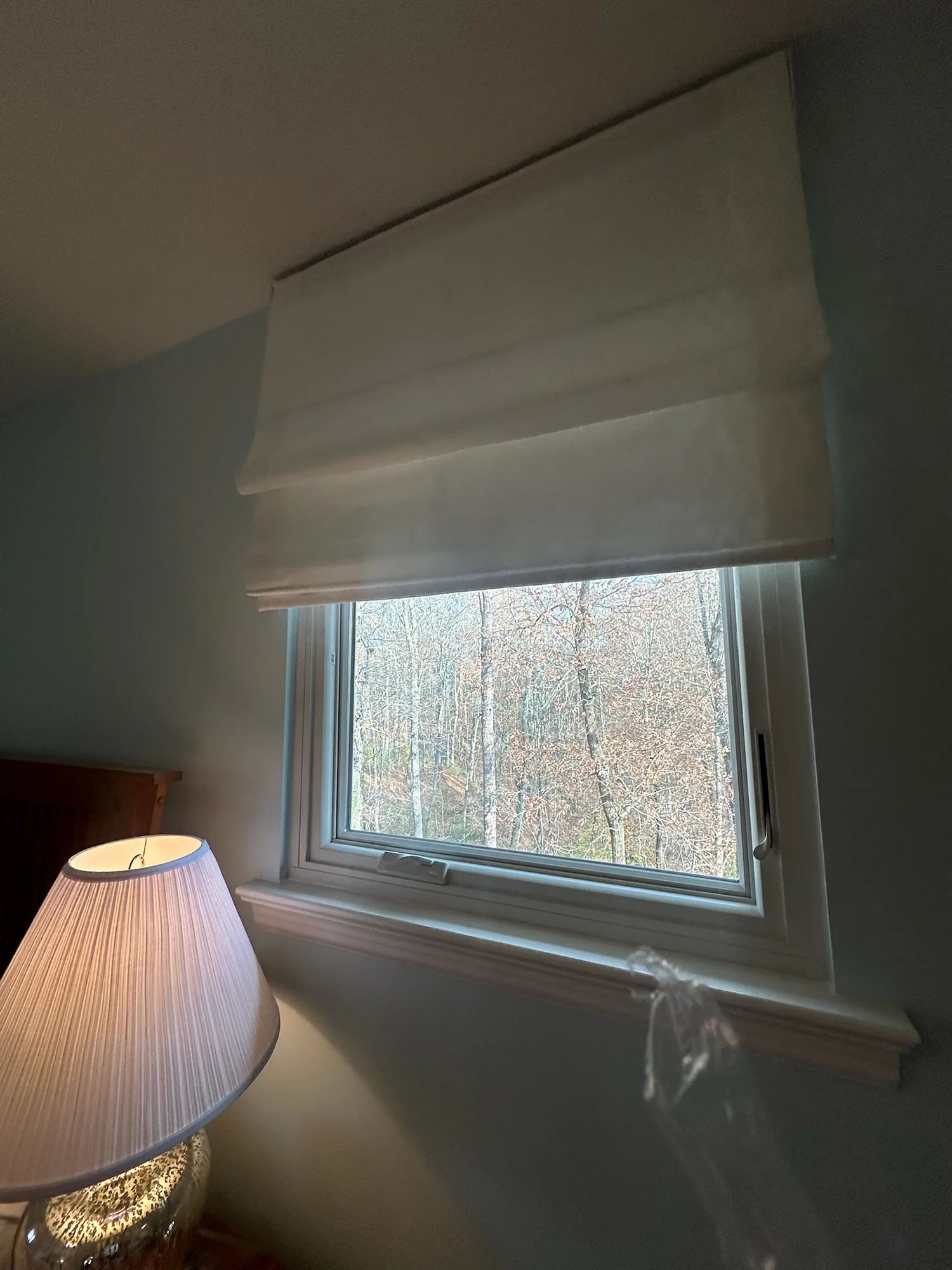
Short answer: Roman shades are a soft, folded fabric treatment that reads as decor. Roller shades are a flat panel that rolls away almost invisibly and does the functional work better.
Below is how roman shades and roller shades actually differ on cost, light control, lifespan and the rooms each belongs in, so you can decide per window rather than picking one for the whole house.
Roman shades at a glance
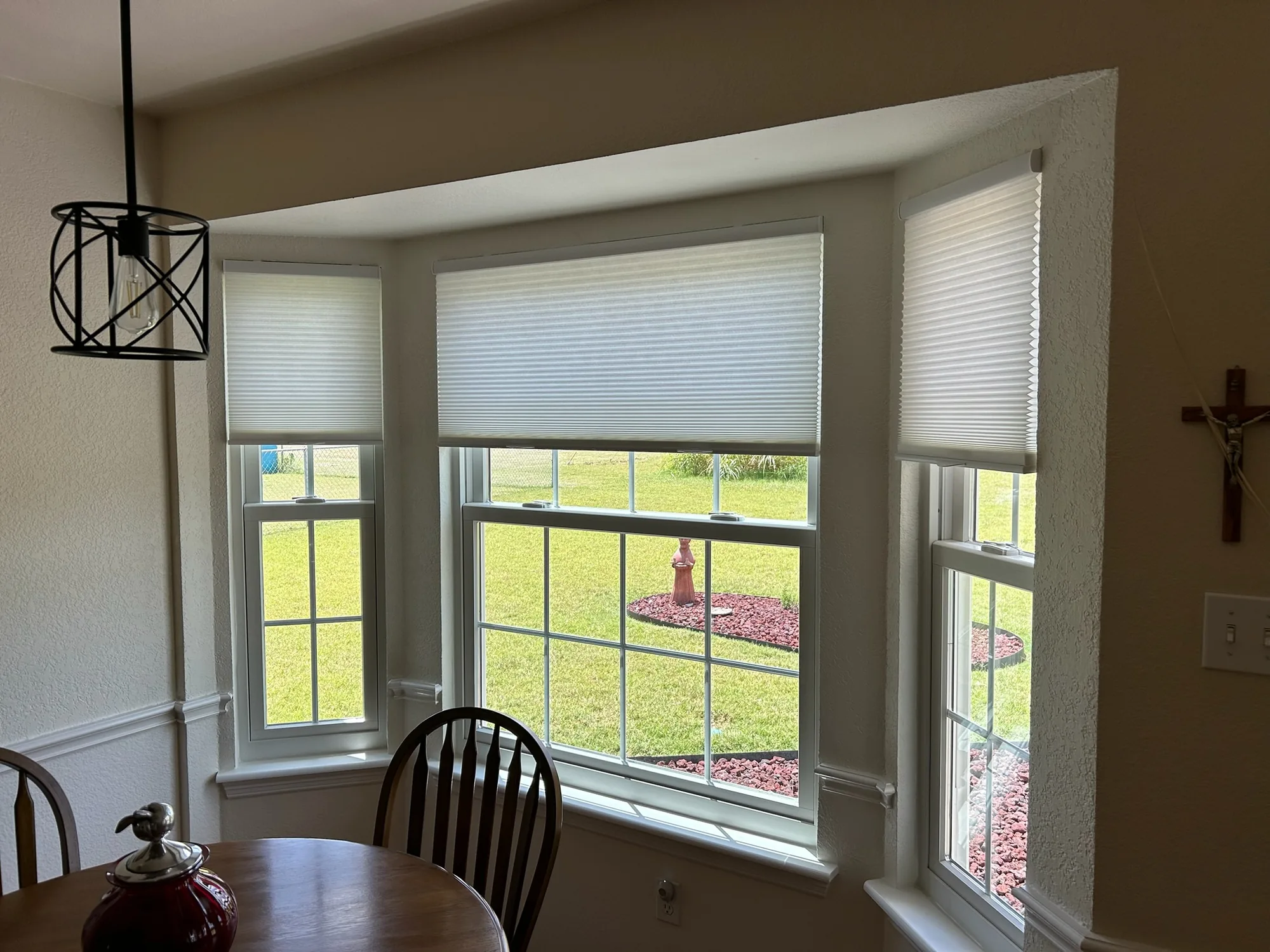
- Fold into soft horizontal pleats as they raise, which reads as decor rather than hardware
- Sit visually closer to a drape than to a blind, so they warm up a hard room
- Stack at the top and cover some glass even fully raised, which matters on a short window
- Take a blackout lining well, so they can work in a bedroom as well as a lounge
Roller shades at a glance
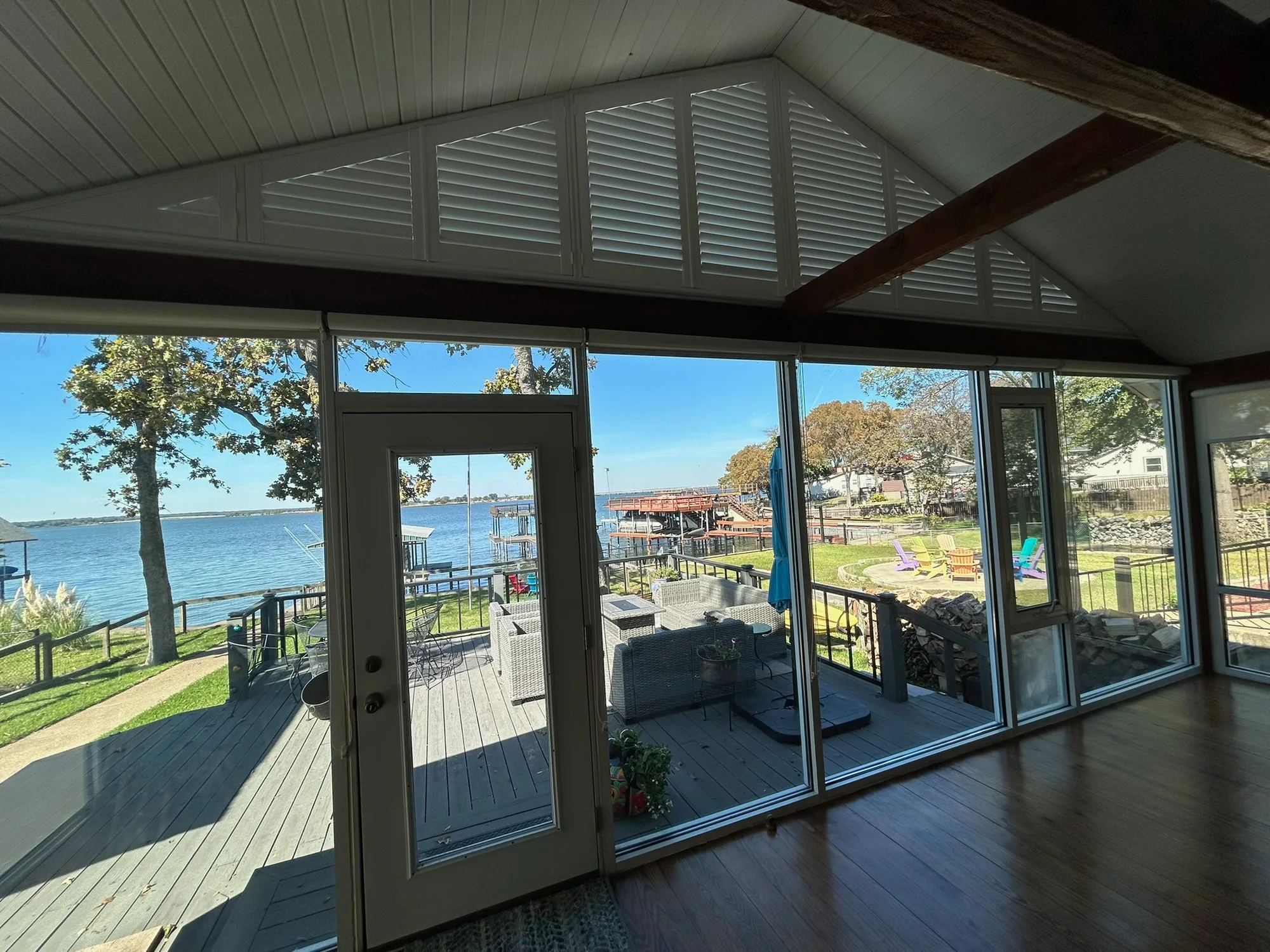
- Roll into a slim tube and effectively disappear when raised
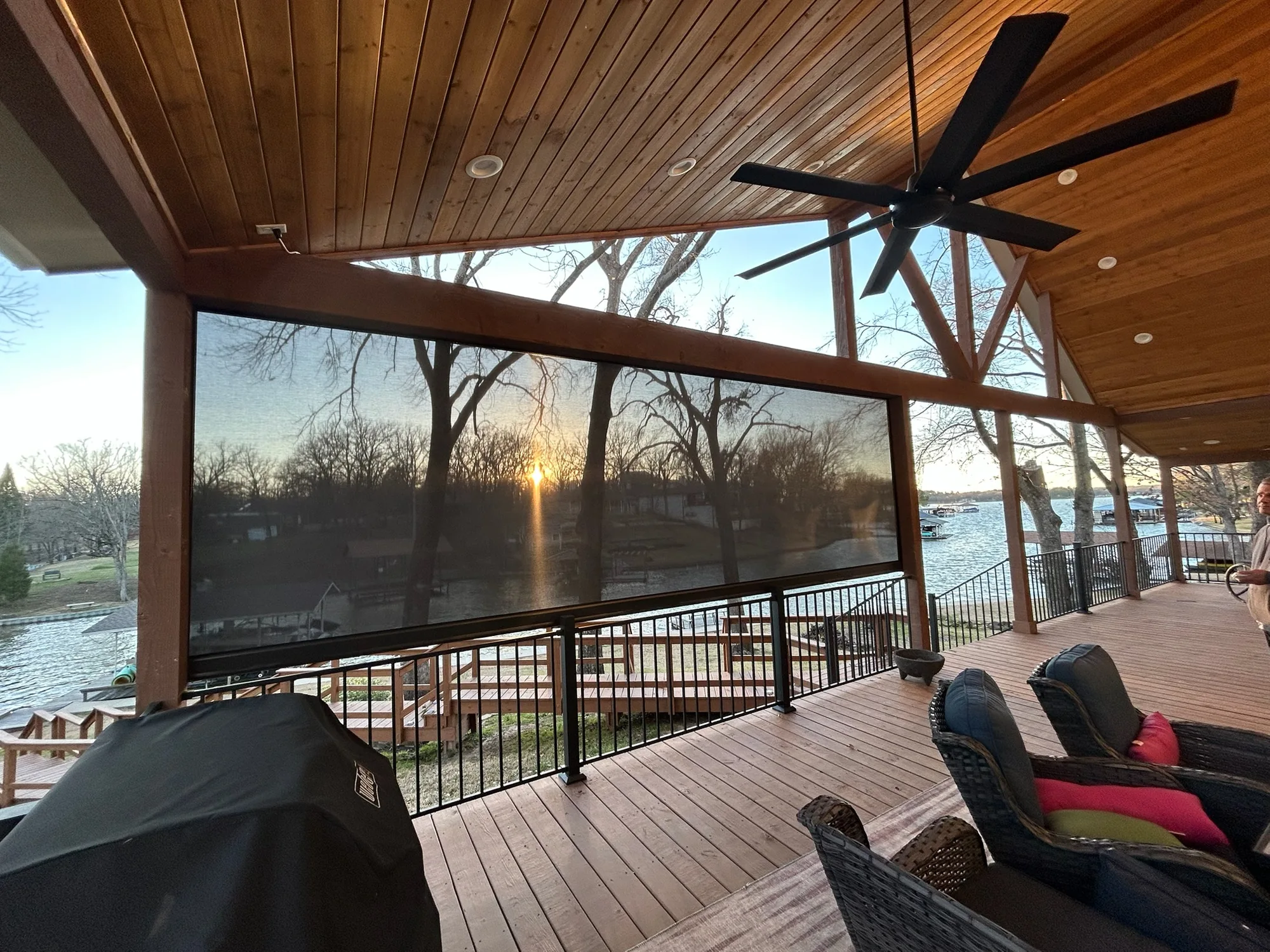
- Available in solar screen weaves where openness is a specification you choose
- The best value option for glare and heat control per dollar spent
- The cleanest look on a modern window, with almost no visual weight
The cost difference, honestly
Neither is a single price. Both are made to your openings, so the number depends on size, material, mount and whether you motorize. What is reliable is the ordering: within the same window, the option with more material and more hardware costs more.
The useful question is not which is cheaper overall, it is which one you want in the three or four rooms that matter most, and what goes in the rest of the house.
Lifespan and how they age
Anything on a west facing window in Texas ages faster than the same product on a north wall. Sun degrades fabric and warps light materials, and that is the single biggest factor in how long a treatment looks good.
- Rigid products hold their shape but show dust and fingerprints
- Fabric products are softer and warmer but fade if the weave is not rated for sun
- Anything on a hot wall should be specified for that wall, not chosen on looks
- Motors and hardware usually outlast the fabric they move
What each does about heat
A solar roller shade is the better tool for heat and glare, because openness factor is a specification you choose. A Roman shade controls light well but is chosen for how it looks first.
Material decides more than format
Whichever of the two you choose, the material is what decides whether it still works in three years. On a west facing Texas window that is not a style question, it is the whole question.
Real wood
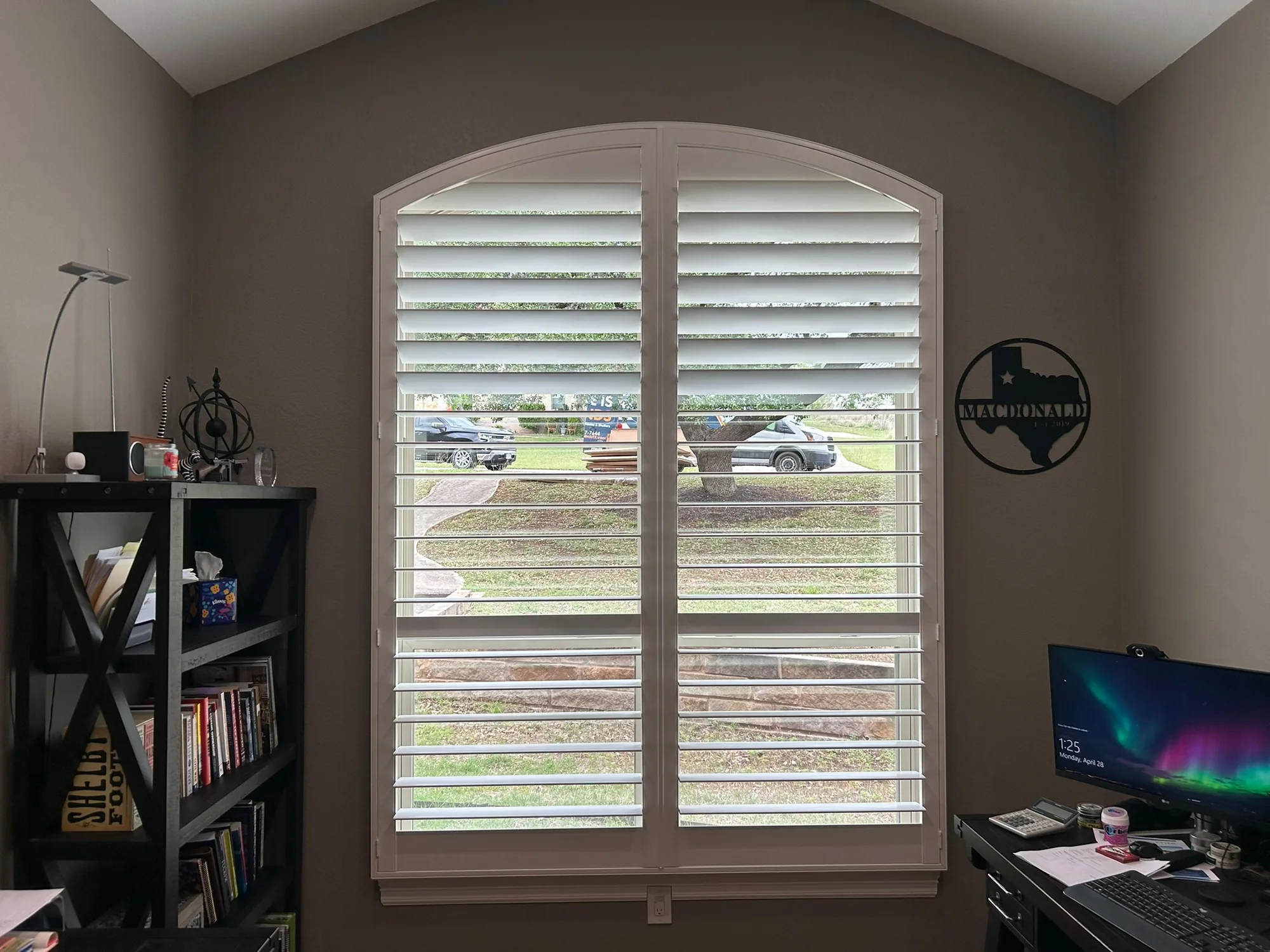
Lightest and takes stain beautifully, but it moves with humidity, so it belongs in dry living areas rather than bathrooms or over a sink.
Faux wood and composite
Handle moisture and hard sun without warping. Heavier, which matters across a wide span, but far more forgiving.
Fabric
Softer in a room, and the only option where openness factor lets you trade view against shade. Specify a weave rated for sun on a hot wall.
Daytime privacy is not night time privacy
This catches people out more than any other detail. A weave that gives complete privacy at midday can become see-through once it is dark outside and the lights are on inside.
- Decide per window whether it needs to work after dark
- Any inside mount leaks light at the edges, by design rather than by fault
- Layering a shade under a drape solves most cases one product cannot
- Blackout means overlap or side channels, not just opaque fabric
What we would ask at your consultation
- Which way does the window face, and when does it take direct sun
- Is this a room where you need real darkness, or just less glare
- Do you want to keep the view, or is privacy the priority
- Is the opening square and deep enough for an inside mount
- Is it a window you can comfortably reach every day
The verdict
If the window is a design feature, Roman. If the window is a heat and glare problem, roller. In practice a lot of Texas homes use roller or solar shades on the hot side of the house and Romans in the rooms they entertain in.
Or let us measure it
Every consultation includes measuring each opening on site. It is free, there is no obligation, and it removes the one risk that matters on a custom order: a treatment cut to the wrong number.